


Scaling a Giving Circle: Leadership Lessons from Groups with 100+ Members
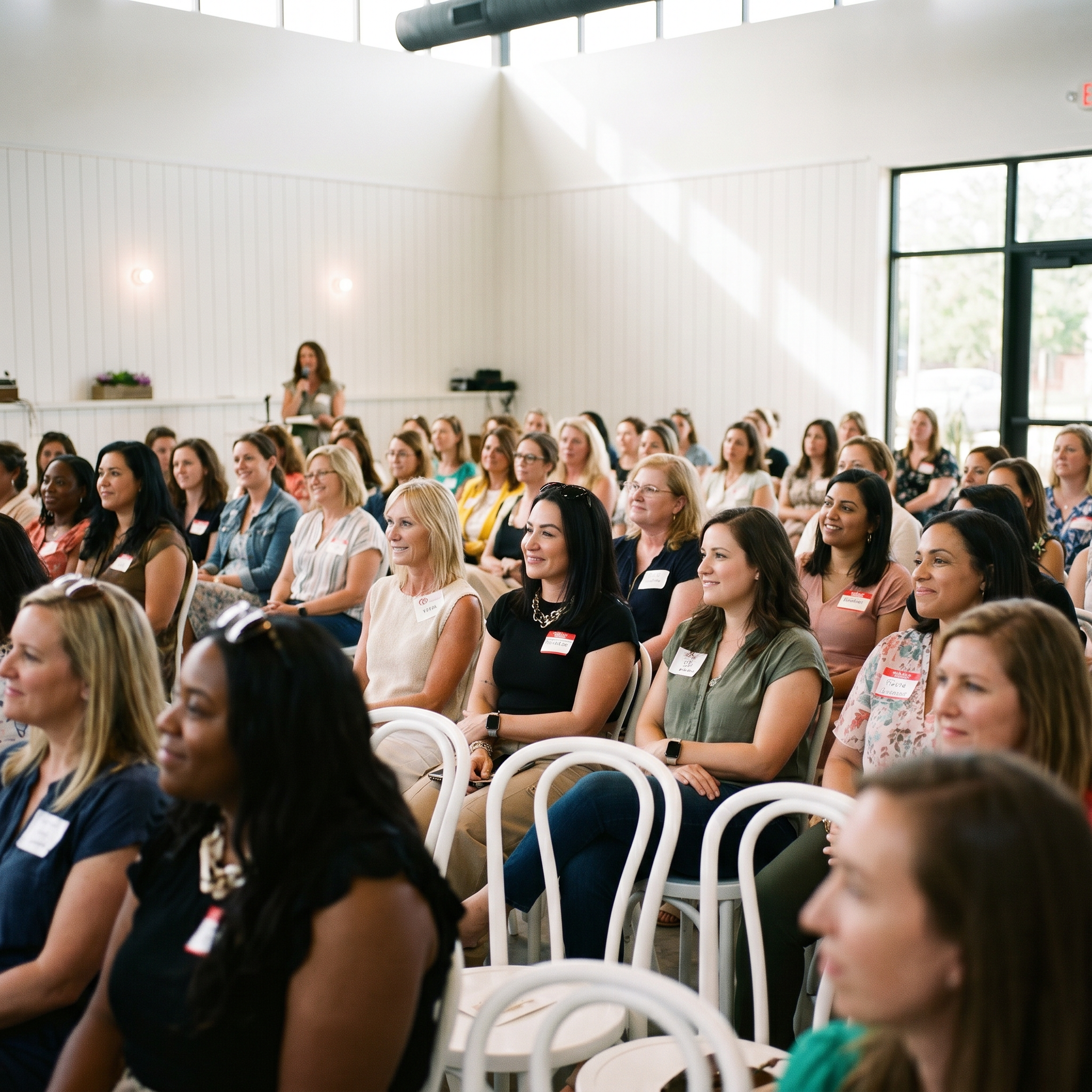
When a Giving Circle grows past 100 members, something powerful happens. The impact deepens, the community strengthens, and the collective ability to support local nonprofits reaches a new level.
So how do the leaders behind these thriving Giving Circles do it? Their stories reveal a shared truth: successful Giving Circles don't grow by accident. They grow through intentional leadership, thoughtful systems, and a deep commitment to community.
It Starts With Simplicity
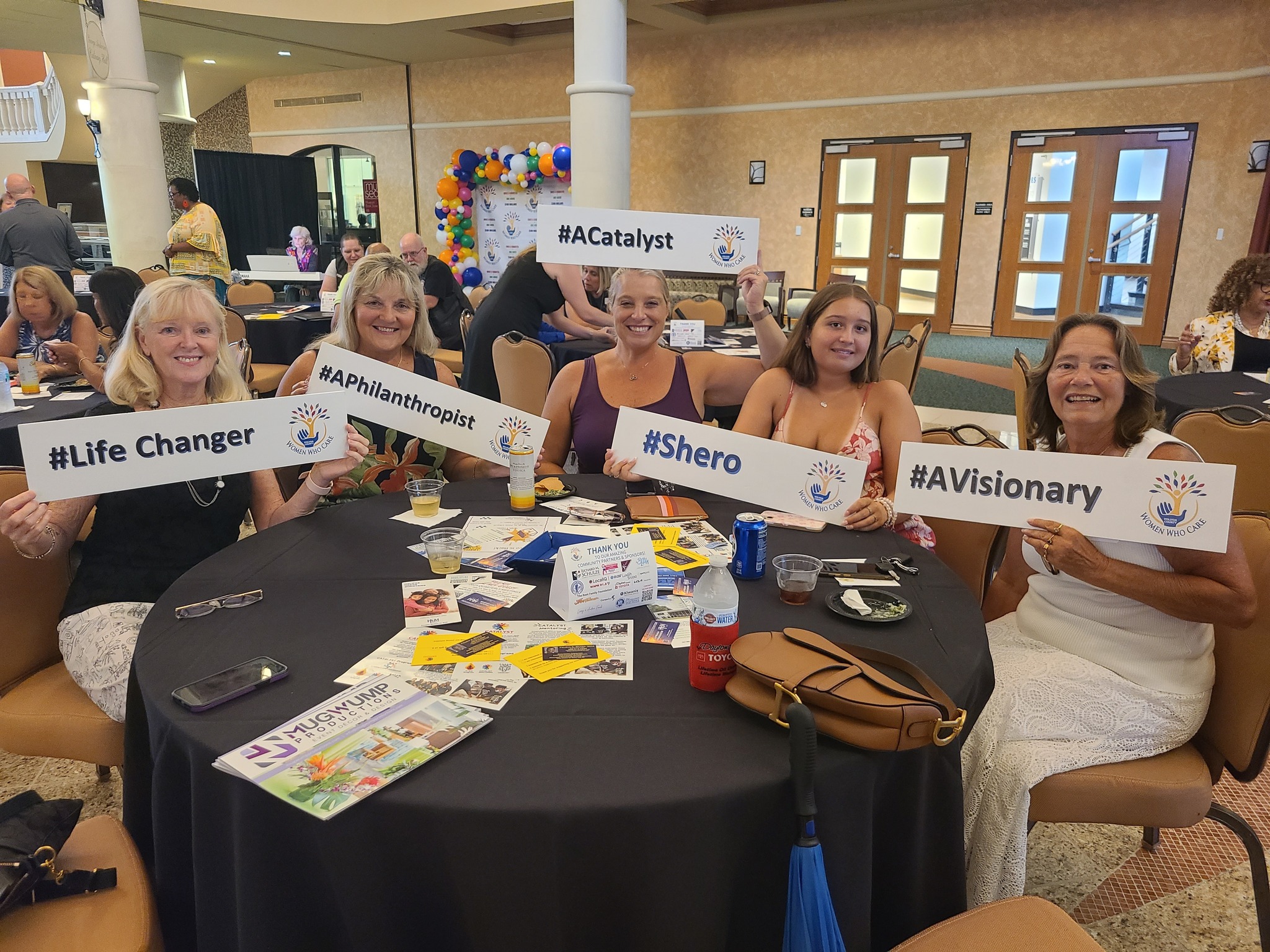
When Teresa Smith and her co-leader launched Volusia County Women Who Care, they made a decision early on to keep things uncomplicated. "We stayed simple and consistent: once a quarter, one hour, $100," Teresa explained. "That clarity makes it easy to say yes."
That instinct, to lower the barrier and make participation feel effortless, turns out to be one of the most powerful growth strategies a Giving Circle can adopt. And when the model is that simple, word spreads naturally. Members tell friends, friends show up, and before long the Giving Circle builds its own momentum.
Once new members start arriving, the next question becomes: how do you keep them engaged?
"We stayed simple and consistent: once a quarter, one hour, $100."
— Teresa Smith, co-leader of Volusia County Women Who Care
Meeting People Where They Are
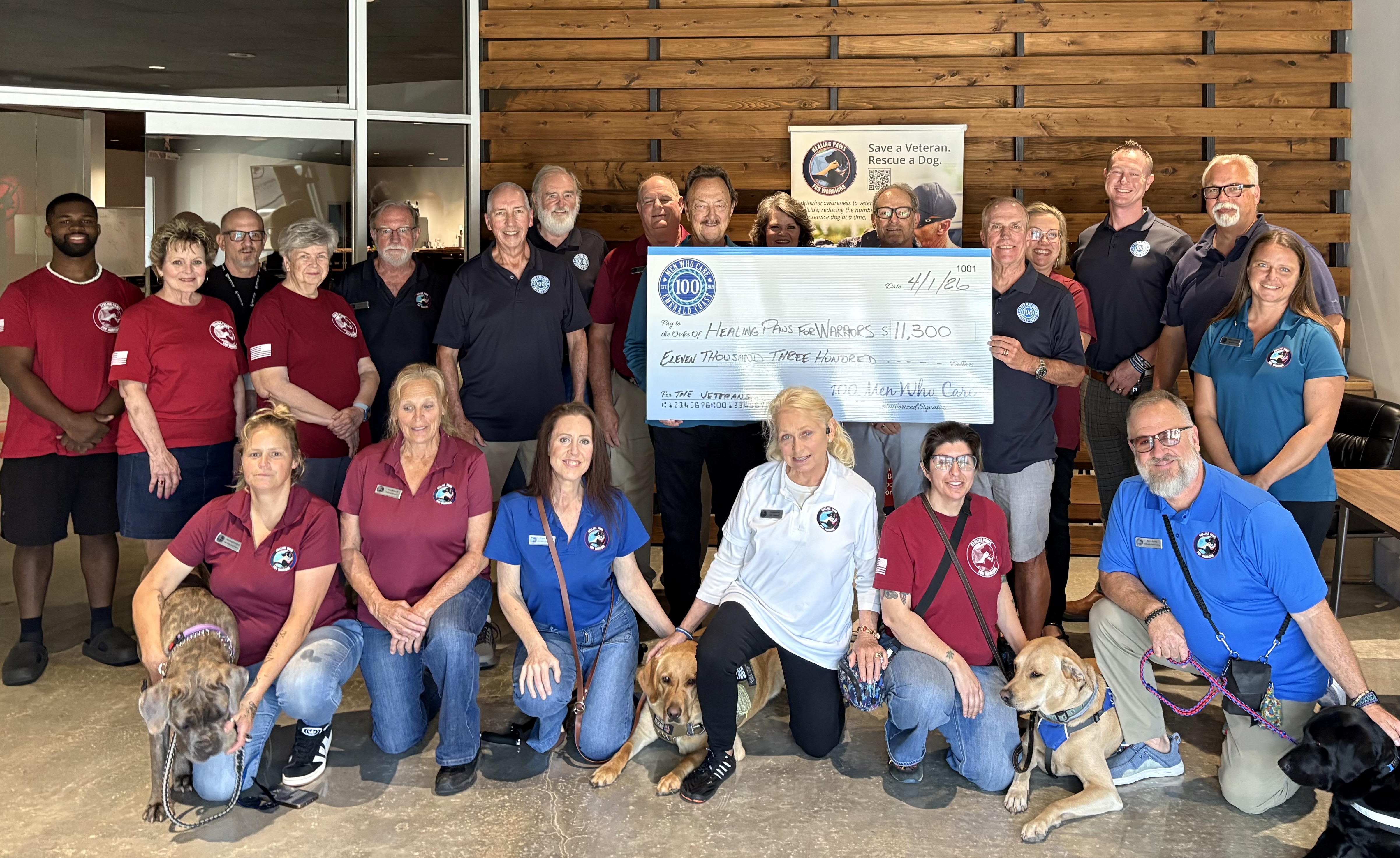
Not every member shows up in the same way, and the most successful Giving Circles have learned not to expect them to. Scott Rude, co-leader of 100+ Men Who Care - Emerald Coast, designed his group with busy professionals in mind. "We cater to the highly busy person who can't commit time but wants to make a difference in their community," he said.
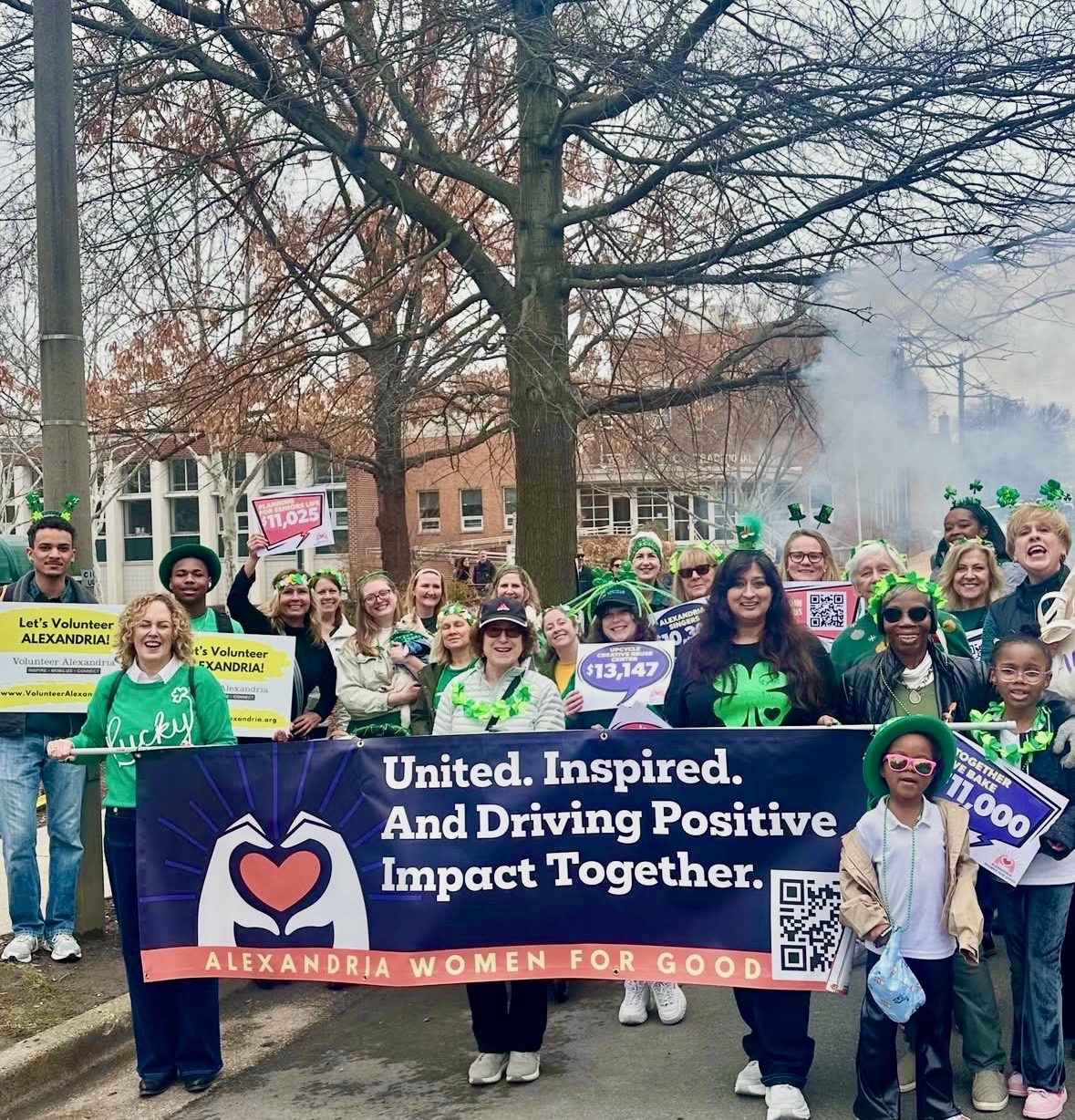
Other groups take a broader approach. Laura Turner and Laura Herron of Alexandria Women for Good have built a rhythm of connection points throughout the year: "monthly luncheons, evening happy hours, and volunteer opportunities. Activities are planned at various days and times and in different locations around our community to maximize accessibility for our members." In Tampa Women for Good, Christi Winsor and her co-leaders embrace a similar mindset. "We're excited to embrace a 'meet you where you're at' philosophy, offering a variety of engaging activities and events for our members to enjoy at their own pace."
Flexible participation keeps members involved. But as a Giving Circle grows, something harder to measure starts to matter even more: genuine connection.
"Monthly luncheons, evening happy hours, and volunteer opportunities. Activities are planned at various days and times and in different locations around our community to maximize accessibility for our members."
— Laura Turner & Laura Herron, leaders of Alexandria Women for Good
Connection Doesn't Scale on Its Own
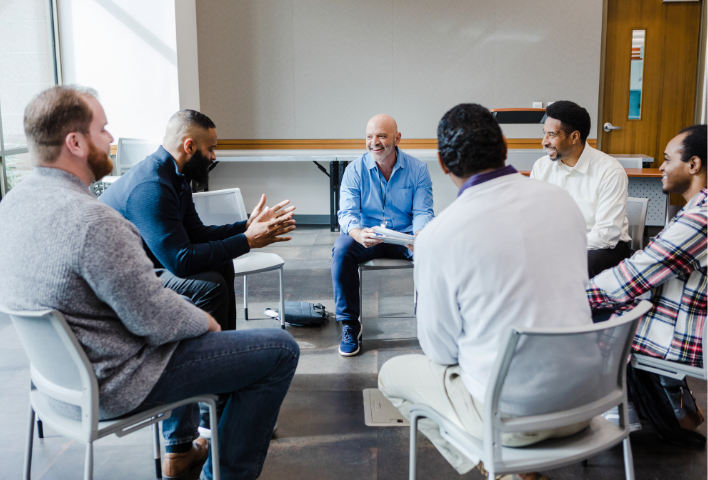
In a smaller group, connection happens organically. Everyone knows each other's name, conversations flow naturally, and new members are absorbed into the group almost effortlessly. As membership grows, those moments become harder to come by. New faces outnumber familiar ones, and it's easy for members to feel like part of a crowd rather than part of a community. That's why connection has to be cultivated.
Ursula Mae, co-leader of Tampa Women for Good, has been especially thoughtful about this. "We've been deliberate about keeping our events smaller and meaningful. This allows women to connect one-on-one and build real relationships." It's a counterintuitive move, scaling a group by keeping some things small, but it works because it protects what matters most.
"We've been deliberate about keeping our events smaller and meaningful. This allows women to connect one-on-one and build real relationships."
— Ursula Mae, co-leader of Tampa Women for Good
Lisa Pasbjerg of Ann Arbor Women for Good takes a hands-on approach, reaching out to new members individually. "I offer to set up a phone or video chat or meet for coffee to answer questions and help them learn about our model." At meetings, she keeps things interactive: "We make the meetings fun by providing ice-breakers to get members up and moving and talking to each other, while keeping the business part short."
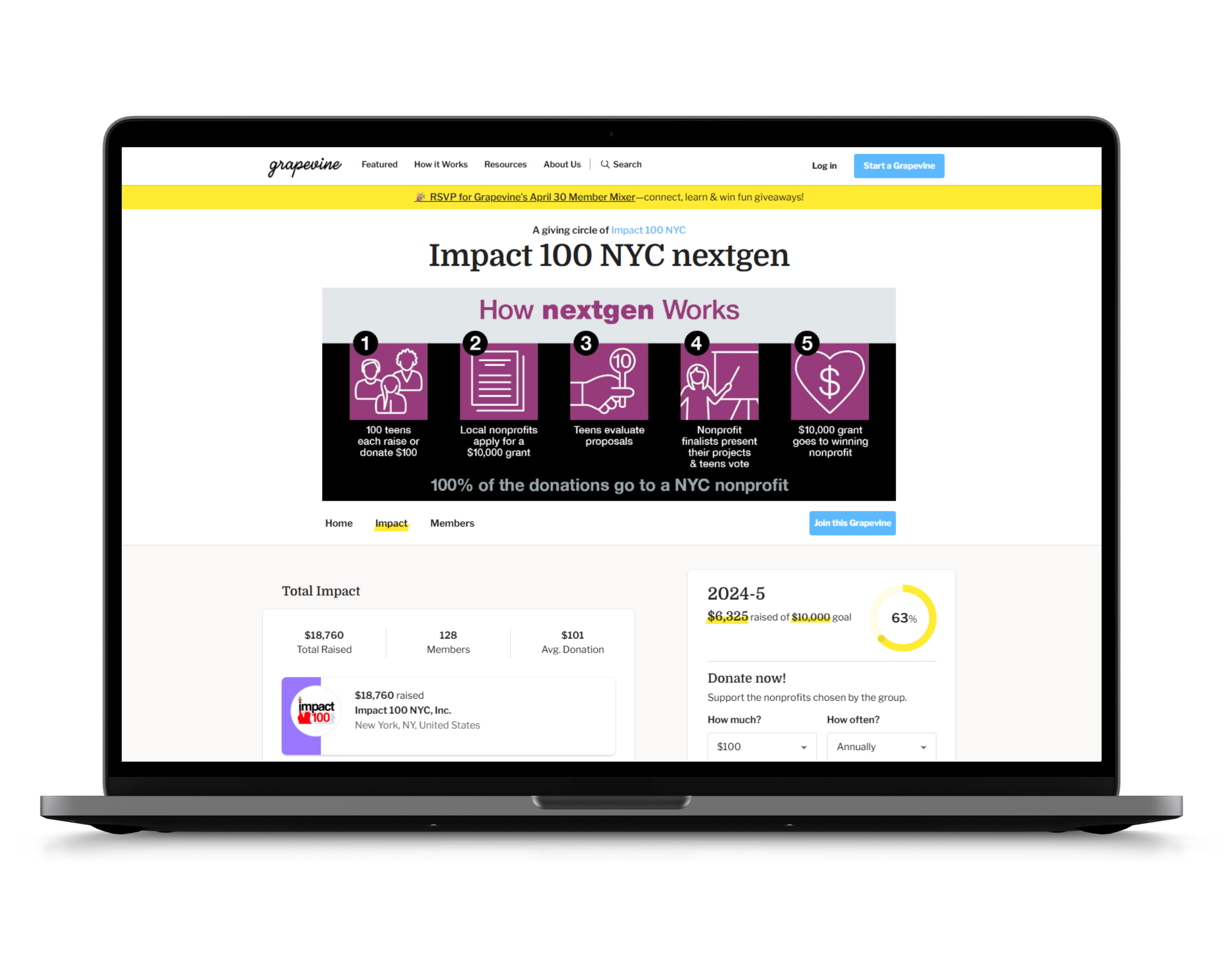
Even in a city like New York, where gathering everyone in one room isn't always possible, Kate Thaler, co-leader of Impact 100 NYC nextgen, has seen connection take root in a different way. "Even members who haven't attended a single event feel deeply connected because they know their contributions directly fund grants for local nonprofits."
Of course, none of this happens without people behind the scenes making it work. And as a Giving Circle grows, leadership needs to grow with it.
Leadership and Systems That Scale
Most Giving Circles start with a handful of passionate people doing everything, from planning events to managing communications to coordinating volunteers. That energy is what gets a Giving Circle off the ground, but it's hard to sustain as the group grows. More members means more coordination, and without a plan to share the load, the people holding things together can quickly burn out.
Teresa Smith of Volusia County Women Who Care recognized this early. “Over time, we moved from informal startup energy to defined roles, documented systems, and shared leadership responsibility.”
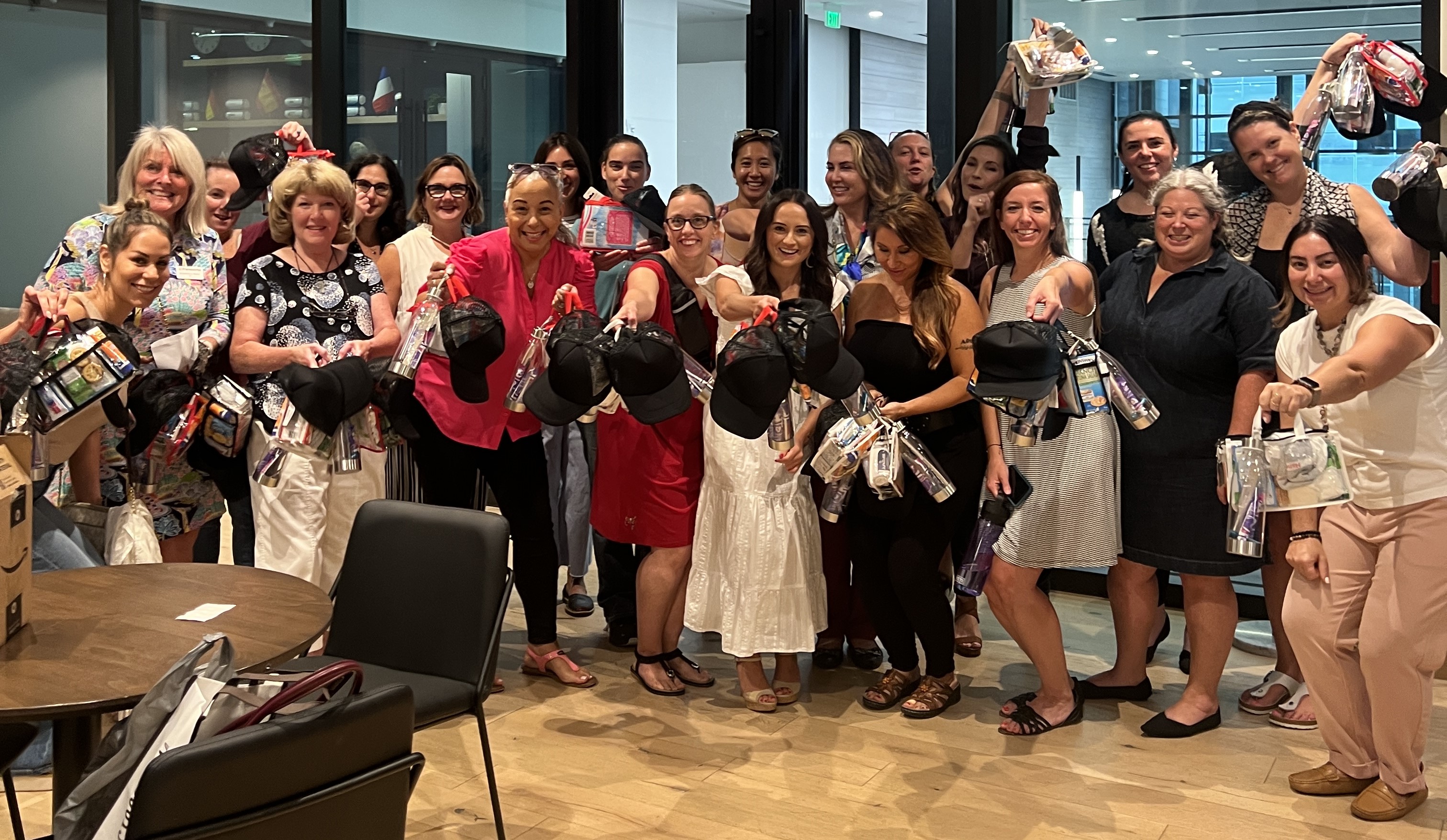
At Tampa Women for Good, Christi described how they've distributed the work: "We have a Quarterly Events Lead, a Volunteer Opportunities Lead, a Communications Lead, a Nonprofit Nominations Lead, and Social Media and PR Leads." Grapevine serves as the central hub. As membership has grown, having one place where members can access events, communications, and giving opportunities has been essential to staying organized and clear.
"We have an enthusiastic steering committee who are committed to taking care of details."
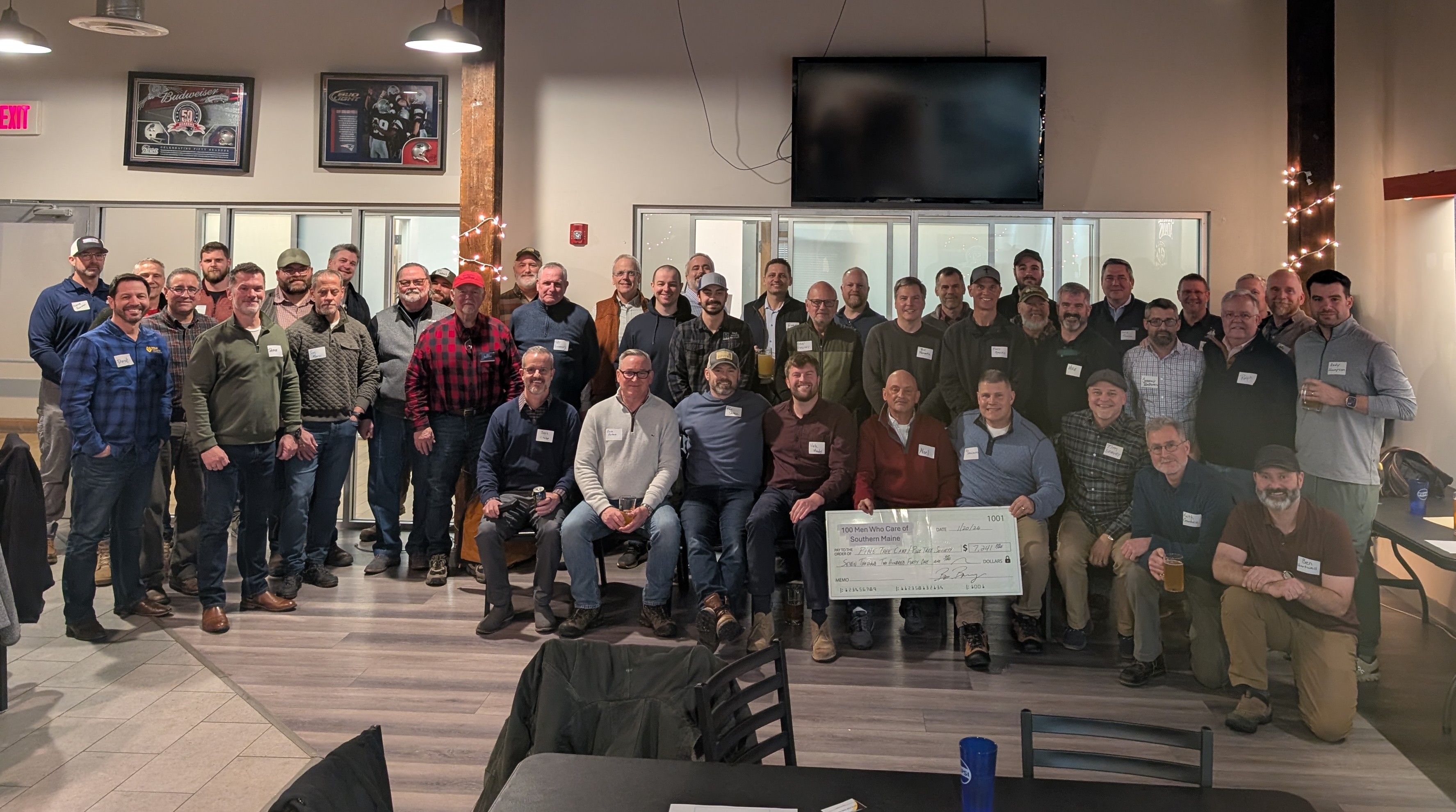
— Keith Goodwin, co-leader of 100 Men Who Care of Southern Maine
Keith Goodwin, co-leader of 100 Men Who Care of Southern Maine, echoed the importance of a strong team: "We have an enthusiastic steering committee who are committed to taking care of details." The group has found having a meeting one week before each major gathering to align on details and stay ahead of the work provides a simple rhythm.
Strong systems support strong leaders. Scott Rude was candid about the operational change that made the biggest difference: "I do not want to work with money. Having Grapevine collect our funds makes my life much simpler."
The less time leaders spend managing logistics, the more they can invest in community and impact.
The Impact That Keeps People Coming Back
And that impact is what holds everything together. Scott shared the numbers with pride: "Over $135,000 to our community collectively as of this quarter. That's meaningful, and people are seeing the difference they make."
Volusia County Women Who Care, now nearly 400 members strong, grants approximately $40,000 per quarter to local nonprofits, and Teresa hears the same thing from members again and again: "Many say it is the most impactful $100 they give all year."
"Over $135,000 to our community collectively as of this quarter. That's meaningful, and people are seeing the difference they make."
— Scott Rude, co-leader of 100+ Men Who Care - Emerald Coast
Kate Thaler of Impact 100 NYC nextgen has seen how participation itself deepens that sense of impact. By organizing monthly service events with nonprofits across all five boroughs, the group keeps members spanning grades 8 through 12 engaged while broadening their understanding of the city's diverse needs.
When members move beyond writing checks and into direct service, giving becomes personal. They see the faces behind the grants, understand the challenges nonprofits navigate every day, and come back to the Giving Circle with a deeper sense of why their collective giving matters.
If there is one thread running through every conversation with these leaders, Ursula Mae, co-leader of Tampa Women for Good put it best: "Growth doesn't have to come at the expense of connection."
With thoughtful leadership, strong systems, and intentional community building, Giving Circles can scale while preserving the sense of purpose and belonging that drew members in from the start.
Advice From Leaders Who've Been There
If you're building a Giving Circle and hoping to grow, the leaders behind these thriving communities have hard-won wisdom to share.
Build structure before you need it. Teresa Smith of Volusia County Women Who Care learned this through experience: "Growth without guardrails is fragile. Growth with structure becomes legacy." Formalizing roles, documenting processes, and establishing governance early creates a foundation that can carry a Giving Circle for years.
Let tools do the heavy lifting. Scott Rude of 100+ Men Who Care on the Emerald Coast is direct: "I do not want to work with money. Having Grapevine collect our funds makes my life much simpler." The right infrastructure frees leaders to focus on what matters most.
Welcome everyone, not just donors. Laura Turner and Laura Herron of Alexandria Women for Good welcome people to social events and volunteer activities even if they choose not to make a financial donation. They've also found that a consistent social media presence takes little effort but has meaningfully contributed to their growth.
Embrace flexibility for members and yourself. Christi Winsor of Tampa Women for Good puts it plainly: "I don't want this group to be a source of stress for anyone. If you cannot make it to an event, but you can donate, that's great! If you can't afford to donate, but you want to volunteer, that's great, too!" Meeting people where they are isn't just a membership strategy; it's a culture.
Keep some things intentionally small. Ursula Mae of Tampa Women for Good has found that smaller, more intimate events allow members to form real one-on-one relationships, even within a large group. Scaling a Giving Circle doesn't mean every touchpoint has to be big.
Reach out personally to new members. Lisa Pasbjerg of Ann Arbor Women for Good makes a point of contacting new members individually, offering to meet for coffee or a video chat to answer questions and help them understand the model.
Make impact visible. Kate Thaler of Impact 100 NYC Nextgen has found that even members who rarely attend events stay deeply connected because they can see exactly where their giving goes. Make the impact specific, and members will feel invested no matter how they participate.
Get ahead of your meetings. Keith Goodwin of 100 Men Who Care of Southern Maine swears by a simple habit: the steering committee meets one week before each major gathering. That single touchpoint keeps everyone aligned and eliminates last-minute chaos.
Inspired by these stories? Whether you're looking to join a Giving Circle or start one of your own, Grapevine makes it easy to bring people together around shared values and local impact.
Subscription Needed
Already have an account? Sign in