


Guys Who Give: How Men's Clubs Are Redefining Collective Philanthropy
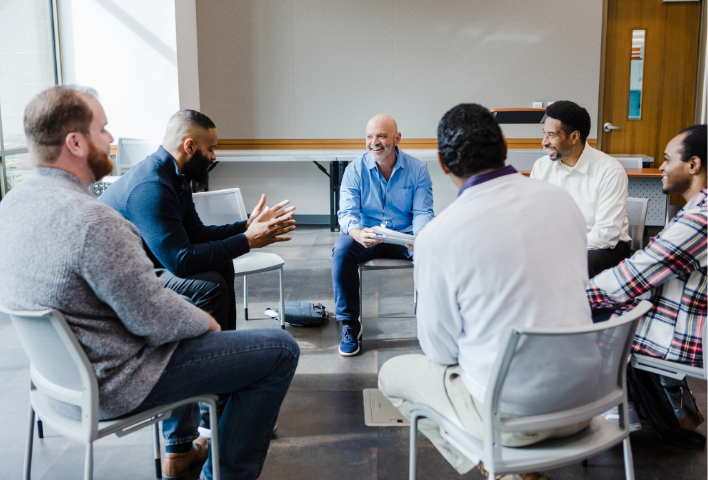
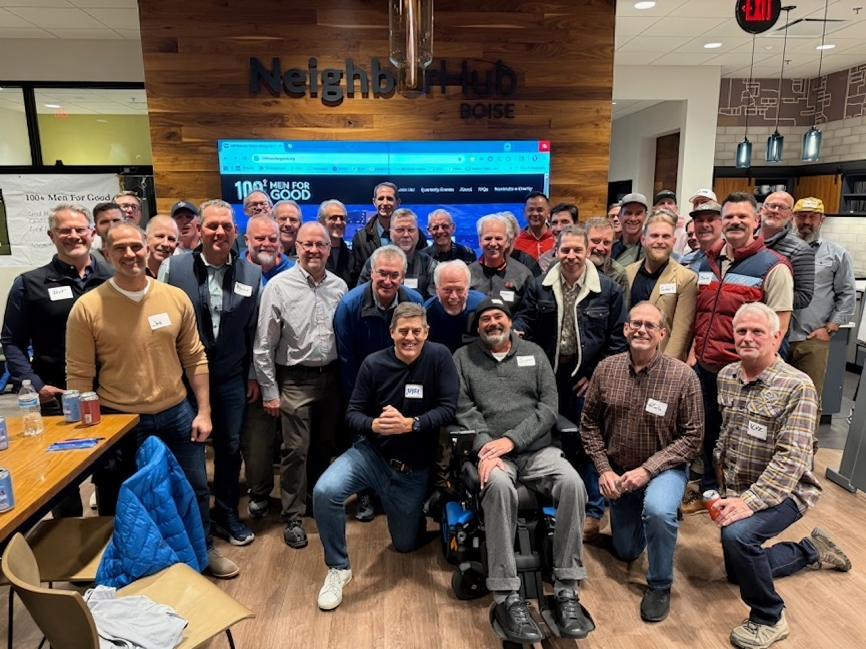
A few years ago in Boise, Mike McHargue and Brian Smith heard about Giving Circles and had a simple reaction: "Let's do it. Let's make it happen." What started as a small experiment has since grown into a community of more than 100 members. And Boise is far from alone. From Charlotte to Bend, Sacramento to San Diego, Austin and beyond, men are pooling their money, choosing local nonprofits together, and discovering that giving back is better when you do it with other people.
Here's what leaders from these groups have learned about why men show up, what keeps them coming back, and why the model works.
A Local Mission Makes It Easy to Say Yes
The entry point for most members is straightforward: support causes in your own community, with a clear process and a manageable commitment.
Sacramento Guys for Good runs on a quarterly cadence that co-leader Robert Kenkel describes as intentionally simple. "It's a democratic process. Each member can nominate and vote, and it's simple to be a part of." Every member contributes toward a shared fundraising goal and participates in the vote, no ambiguity about what's expected or when.
Leaders in other cities point to another draw: directing resources toward nonprofits that might otherwise be overlooked. In Charlotte, co-leader Matthew Warner described intentionally seeking out underfunded local needs. In Bend, co-leader Matt Fiore noted that funding Central Oregon nonprofits deepens members' connection to the place they live. Seeing exactly where contributions go keeps people invested.
The pattern is consistent. When the mission is local and the process is clear, participation feels concrete and that lowers the barrier to getting involved.
Connection Keeps People Coming Back
Men join for the mission. They stay for the relationships.
In a time when meaningful community can be hard to find, Giving Circles are creating spaces where generosity and genuine friendship grow side by side. These aren't networking events with a philanthropic veneer. They're groups built around shared values and local impact.
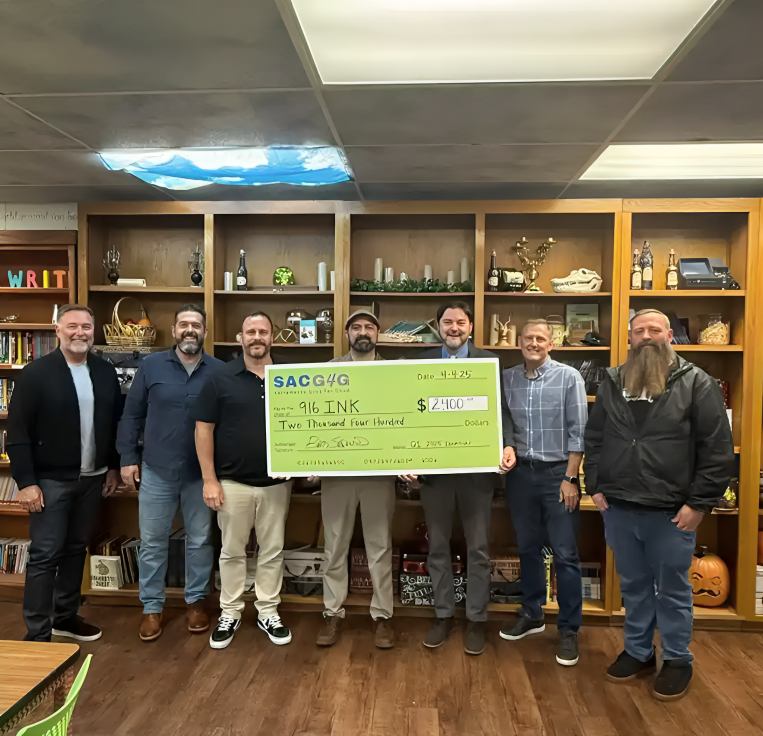
Mike McHargue in Boise puts it plainly: "Men just need a reason to get together anyway. And when you get guys who care about the community together to make a difference, it's great stuff."
"Men just need a reason to get together anyway. And when you get guys who care about the community together to make a difference, it's great stuff."
— Mike McHargue, Co-Leader of 100 Men For Good Boise
In Sacramento, Robert Kenkel describes a similar dynamic. "It feels good to fraternize with other men outside of our workplaces and traditional social settings. Finding other men passionate about helping others is inspiring." In Charlotte, John-Michael Farkas says the gatherings encourage men to reflect on their values, engage in vulnerability, and step into leadership in ways they might not otherwise. And Austin's John Cronin adds that conversations between members can be just as meaningful as the grants themselves. Philanthropy becomes a gateway to deeper relationships.
Brian Somers of San Diego Guys for Good points to something even more fundamental. Many men genuinely want to give back, he says, but lack a structured or social way to do it. A men-focused Giving Circle fills that gap — providing a comfortable entry point that naturally fosters leadership, accountability, and mentorship. "Many men are looking for opportunities to engage in service and philanthropy but may not always have social environments that encourage those conversations," Somers explains. The circle doesn't just connect members to causes. It creates the kind of environment where those conversations can finally happen.
“Many men are looking for opportunities to engage in service and philanthropy but may not always have social environments that encourage those conversations.”
— Brian Somers, Co-Leader of San Diego Guys for Good
But connection is only part of the equation. What makes these Giving Circles truly distinctive is how they decide where the money goes.
Everyone Has a Voice in Where the Money Goes
One of the defining features of these Giving Circles is collaborative decision-making. Instead of a single donor calling the shots, members nominate nonprofits, share why those causes matter to them, and vote together on where to direct collective support.
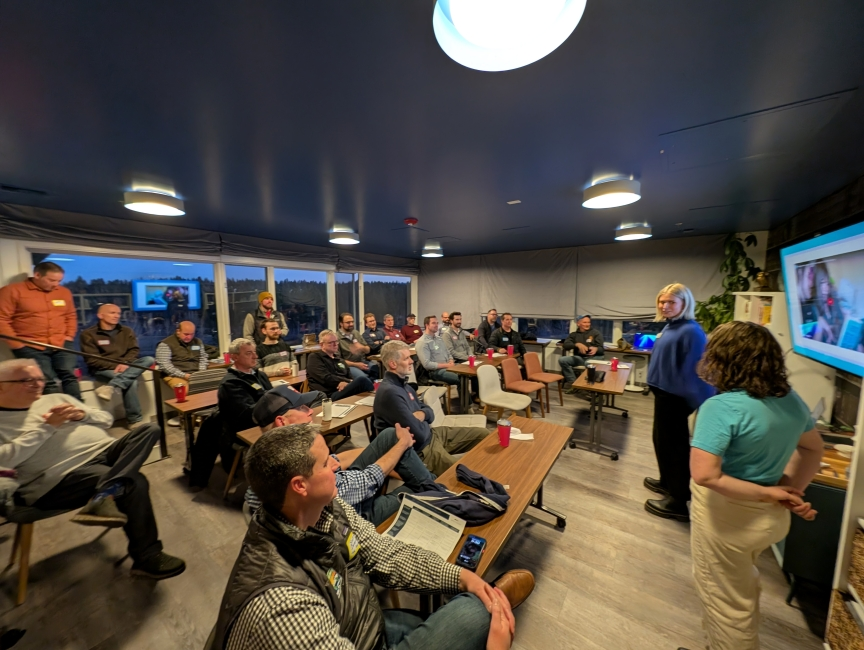
In Sacramento, each member can nominate a nonprofit every quarter and explain why the organization resonates with them. The group hears each story, votes, and the selected nonprofit receives the grant. And in Austin, nominations are evaluated based on local impact, leadership, transparency, and alignment with the group's values, sparking real discussion about the nonprofit landscape.
This process does more than distribute funds. It builds trust. Members see where the money goes, hear updates from nonprofit partners, and receive follow-up stories about impact. Transparency turns a quarterly donation into an ongoing relationship, and that shift from transactional giving to relational giving is something leaders across cities consistently describe.
Of course, sustaining that kind of engagement takes more than good intentions. It takes a structure that respects people's time.
Structure Without Rigidity
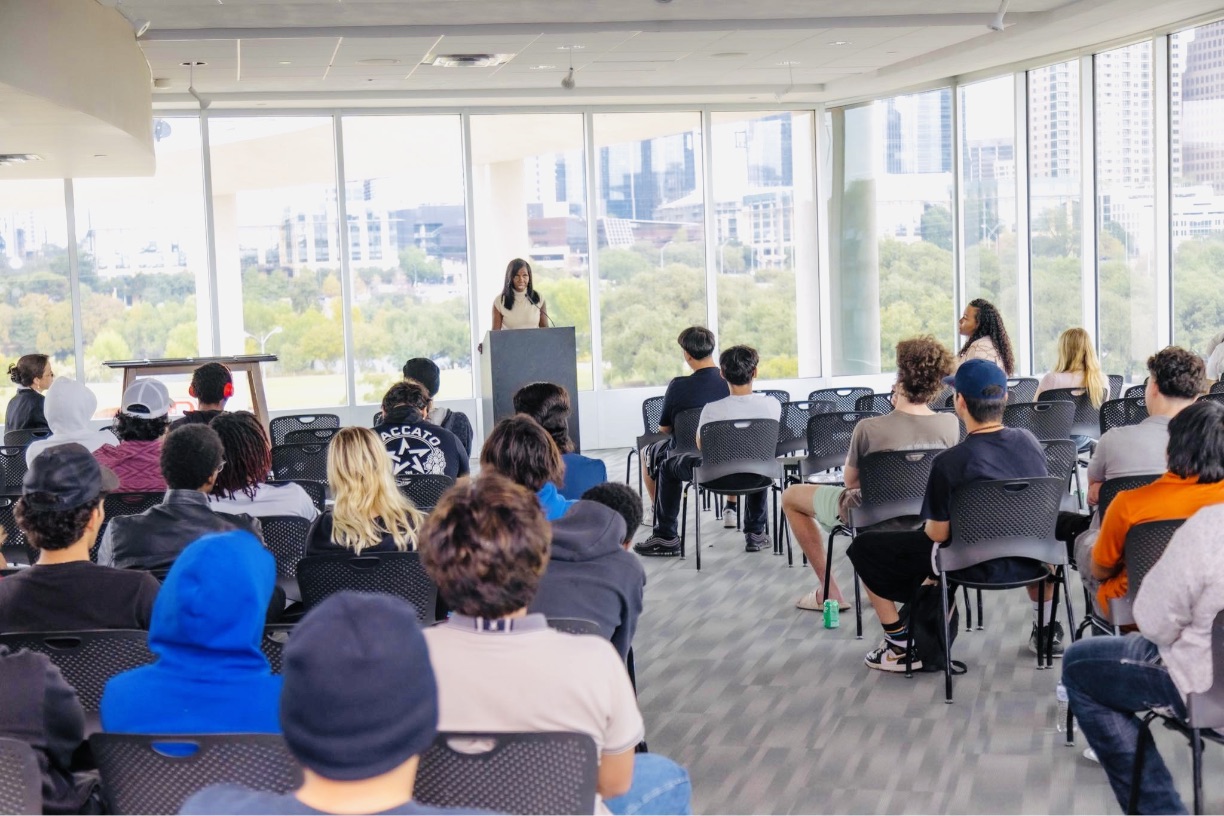
Giving Circles walk a deliberate line between consistency and flexibility. A clear rhythm of quarterly meetings, defined contribution expectations, and regular communication gives members something to count on. Within that structure, there's room to participate in the way that fits your life.
Robert Kenkel captures this balance well: "Our members are busy and in different stages of life. Members engage how they want, as long as they continue to give each quarter." Some attend nonprofit site visits, others show up mainly for the vote, and others engage most through the platform between meetings.
That flexibility matters. It's what turns a first-time donation into long-term membership and what allows these groups to grow without burning out their leaders or members.
And as members settle into that rhythm, something else starts to shift. The experience of giving together begins to change how they show up beyond the Giving Circle.
Giving Changes How Members Lead
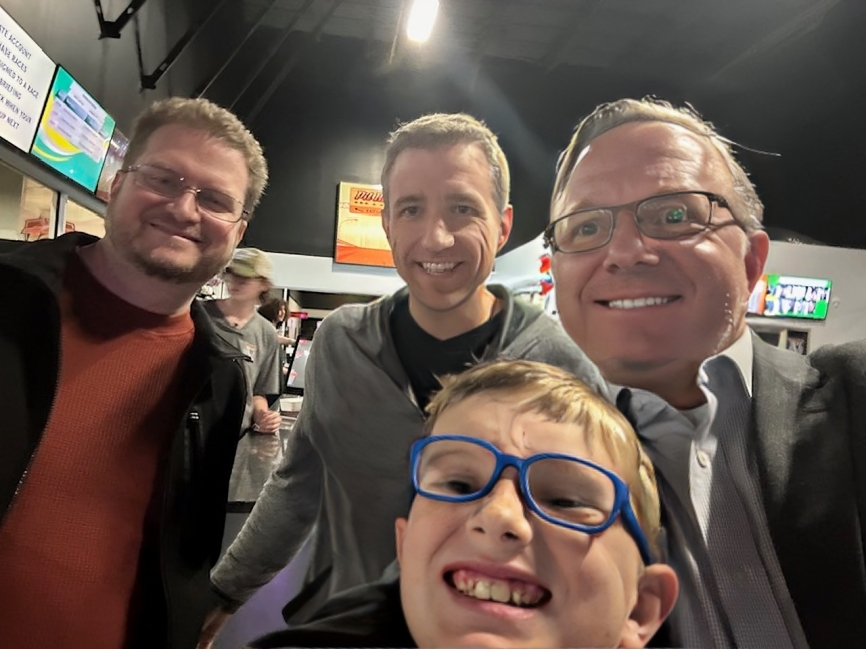
An unexpected by-product of participation: many members find that being part of a Giving Circle reshapes how they think about leadership and community responsibility.
Robert Kenkel reflects on how joining Sacramento Guys for Good expanded his view. "I had not had direct exposure to the inner workings of nonprofits before joining. Being part of this circle has helped me better understand how organizations operate and how we can support them more effectively."
"I had not had direct exposure to the inner workings of nonprofits before joining. Being part of this circle has helped me better understand how organizations operate and how we can support them more effectively."
— Robert Kenkel, Co-Leader of Sacramento Guys for Good
Brian Somers echoes that sentiment from San Diego. Participation in the Giving Circle, he's observed, strengthens community ties, expands professional networks, and offers members a steady reminder of what service and leadership actually look like in practice. Many find renewed purpose — not just through the giving itself, but through the combination of generosity and genuine human connection that the Giving Circle makes possible.
Other leaders have watched members evolve from writing a check to genuinely engaging with the organizations they fund. Matt Fiore highlights the mentorship and shared learning that develops within the group. In Charlotte, John-Michael Farkas has seen how the confidence members build inside the circle extends into their professional and civic lives beyond it.
None of that growth happens by accident, though. Behind the scenes, there's a practical layer that keeps the whole thing running.
The Platform Behind the Movement
Of course, coordinating contributions, organizing nominations, managing votes, and keeping members in the loop takes real administrative work. The kind that can quietly drain the energy out of a volunteer-led group.
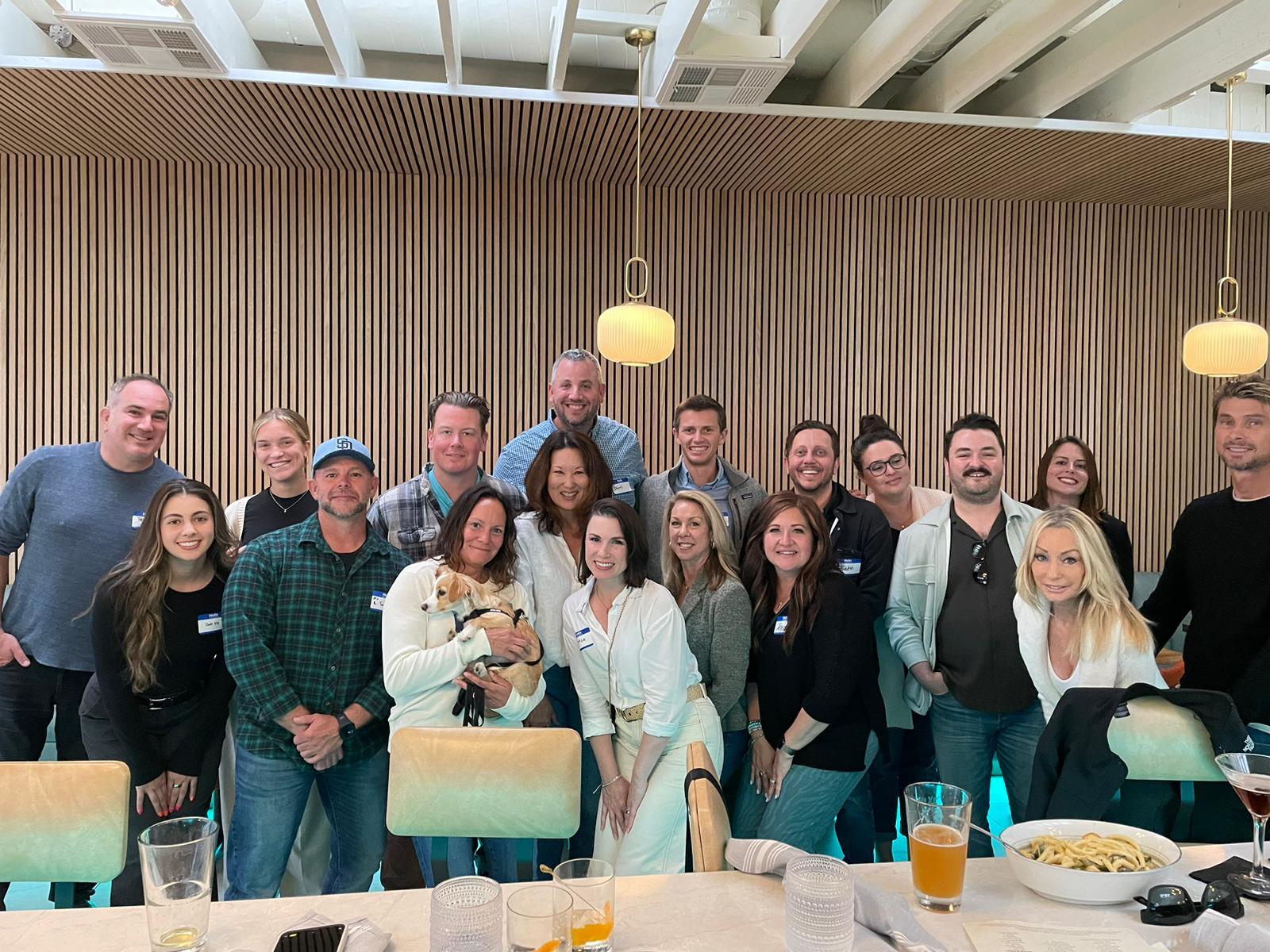
That's where Grapevine comes in. The platform handles donations, voting, and member communication in one place, removing the logistical friction that often slows grassroots groups down.
Mike McHargue in Boise has seen the difference firsthand: "Grapevine's been great. It just simplifies the whole thing for us. We don't have to worry about the administration anymore." Robert Kenkel agrees: "The Grapevine platform is powerful and makes it easy to organize, share information, and remove the friction of starting a giving movement." And Matthew Warner adds that it strengthens communication between meetings, helping members stay connected to the group's work.
With the logistics handled, leaders can focus on what actually matters: strengthening relationships and supporting the nonprofits in their communities.
And as it turns out, that focus is exactly what's fueling the next chapter for these groups.
What Comes Next
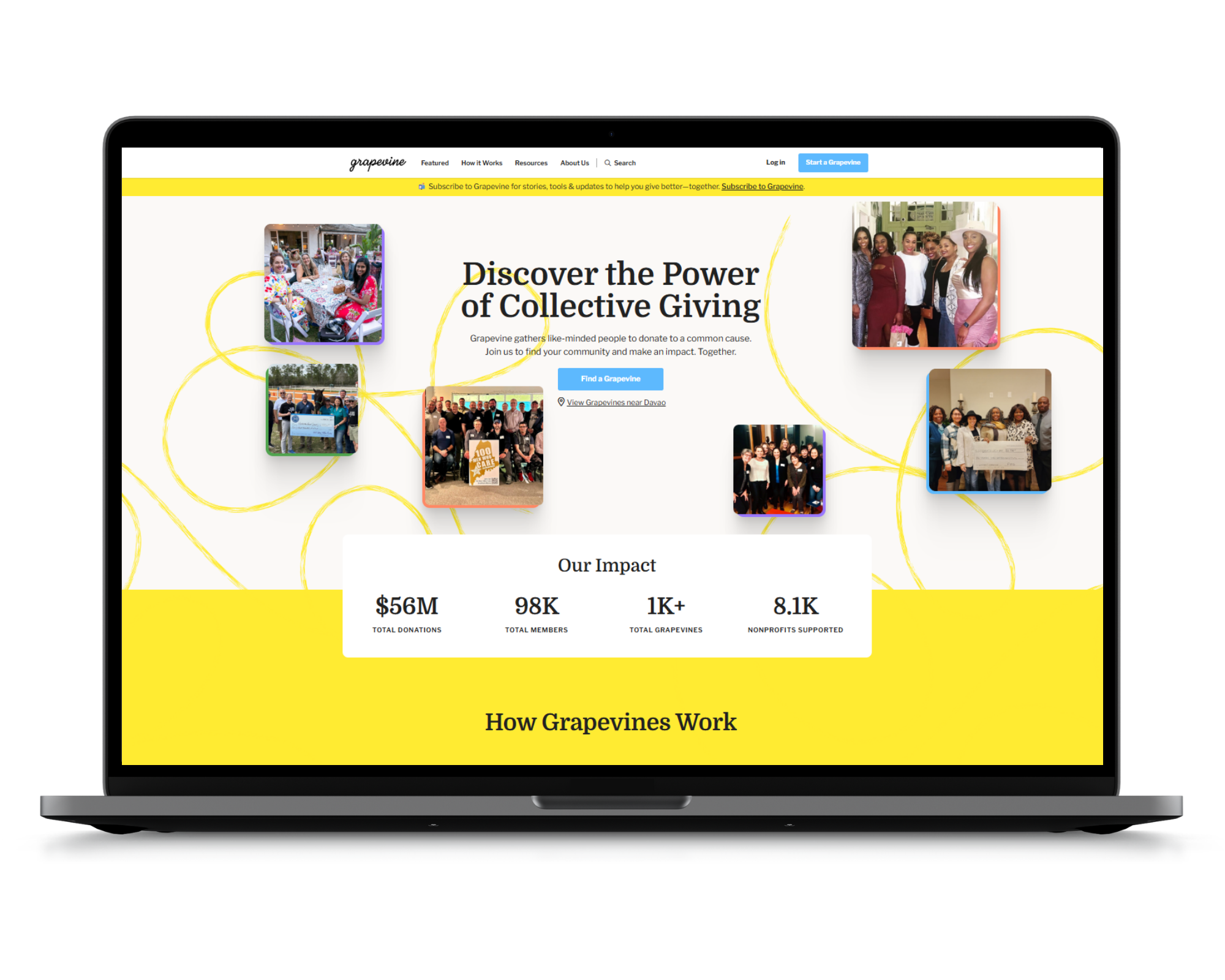
These groups started small. A handful of guys, a shared idea, a willingness to try. Now they're thriving in cities across the country, and the model is replicable anywhere men are looking for meaningful ways to connect while making a local difference.
The power, as Robert Kenkel puts it, lies in its simplicity. When generosity, community, and shared purpose come together, giving stops being just about the money. It becomes about the relationships and impact that grow when people choose to do it together.
Inspired by these stories? Whether you want to join an existing Giving Circle or start your own, Grapevine makes it easy to collaborate, contribute, and create lasting impact with a group of like-minded peers. Explore Giving Circles on Grapevine and take the first step.
Subscription Needed
Already have an account? Sign in