


Growth by Design: How Connection and Belonging Can Fuel Your Giving Circle
How Leaders Keep Connection Strong While Growing Collective Impact
Reaching 50 members is a milestone worth celebrating. It's the moment a Giving Circle stops feeling like a small group of friends and starts becoming a recognizable force for good. It's also the moment leaders begin asking new questions. How do we keep growing without losing what makes us special?
To find out what works, we talked to four leaders whose Giving Circles have already crossed that threshold: Becky Kaske-Johnson of PDX Women for Good, Kelley Fuller of 100 Women Who Care Emerald Coast, Britt Knapp of SWFL Women for Good, and Kathy, Traci, and Alisha, the leadership team behind Spokane for Good. Their answers, drawn from very different places, align in surprising ways.
It Starts With One Member Inviting Another
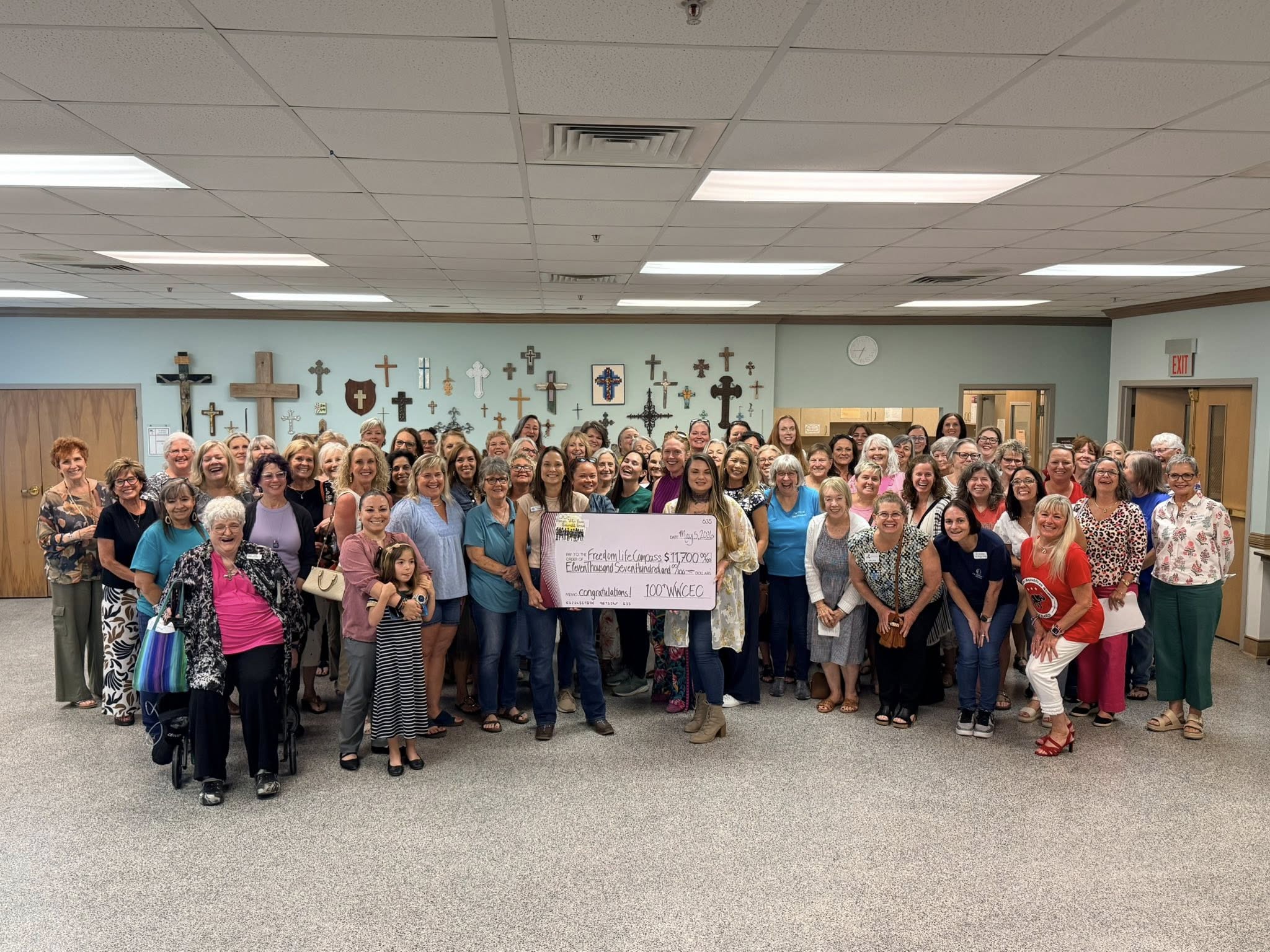
Across every conversation, one truth kept surfacing: people invite people. Digital outreach helps and social media expands reach, but the real engine of growth is a current member excited enough to bring a friend.
For Britt in Southwest Florida, that organic spread is what she's most proud of. "I'm especially proud that our growth has been driven by word-of-mouth," she told us. "It tells me that the experience we're creating is meaningful enough that members naturally want to share it. That kind of organic growth has allowed us to expand while staying true to who we are: personal, connected, and genuinely community-focused."
Kelley in Emerald Coast describes the same dynamic from a different angle. "Our group is very good at identifying friends and colleagues who might be interested in being part of the circle and inviting them, no strings attached, to join us for a meeting." Most visitors leave as members. The reason, Britt believes, is simple: "When women have a meaningful experience, they naturally invite others." The work isn't really recruitment. It's making sure the experience is worth sharing.
Consistency Is the Quiet Superpower
If word-of-mouth is the engine, consistency is the fuel. New members and the friends they bring need to know what to expect, and the leaders we spoke with have built their groups around predictable rhythms.
Britt is unequivocal here. "Consistency has been the biggest driver. Consistent monthly gatherings, consistent communication, consistent follow-up, and consistent visibility on social platforms. Members know what to expect and can rely on it." SWFL meets the third Tuesday of each month in the same area of town. That reliability is what makes it easy for a member to text a friend a week ahead and confidently say come with me.
Kelley sees the same principle structurally. "Growing can seem overwhelming," she admits, "but we have maintained a very structured list of members and communication processes." None of this is glamorous. It's planning, calendars, and templates. But it's what allows growth to happen without exhausting the people leading the way.
Welcoming New Members With Intention
Bringing new people in is only half the work. Making them feel like they belong is the other half, and it's the part easiest to let slip as a group grows.
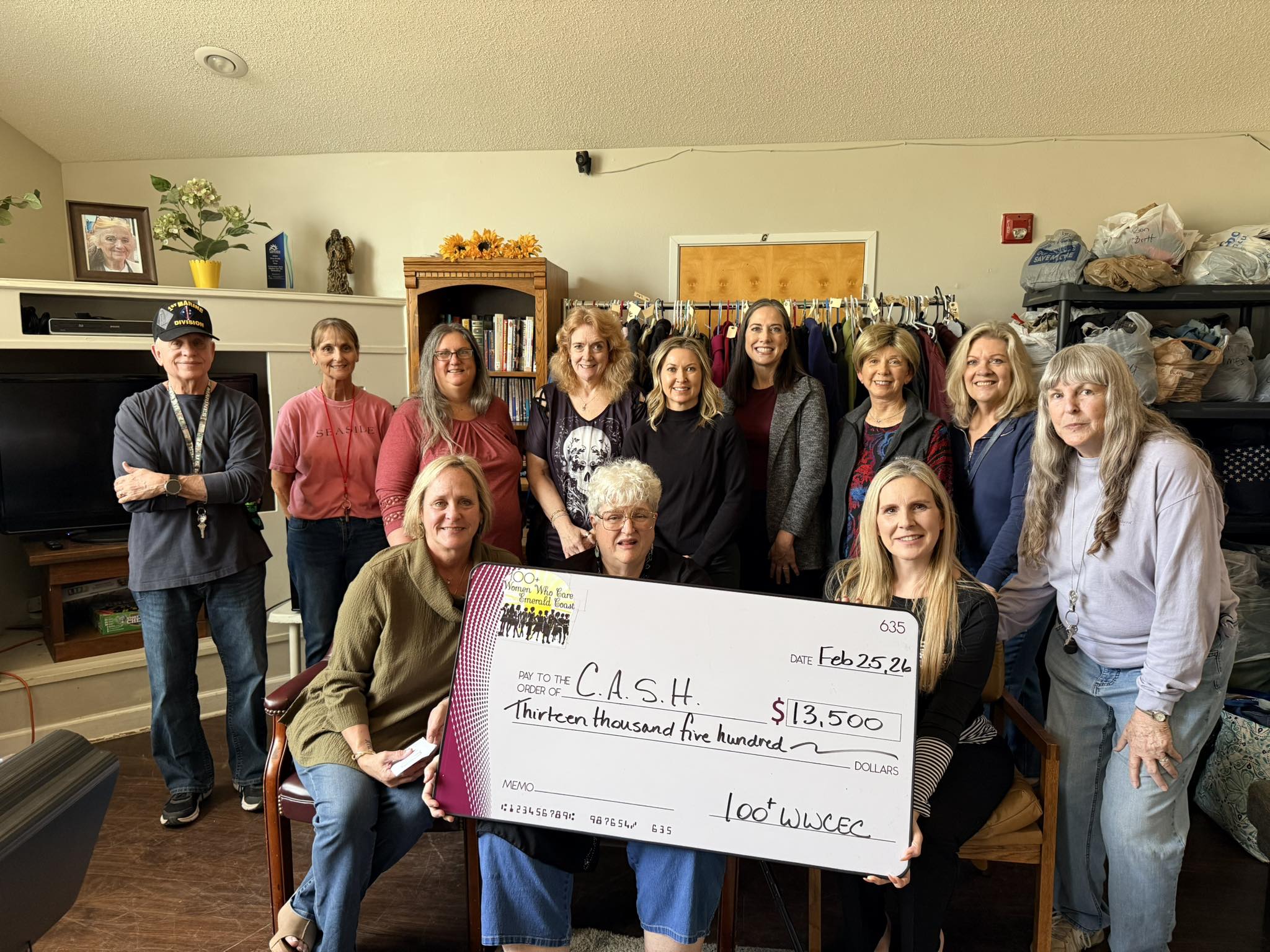
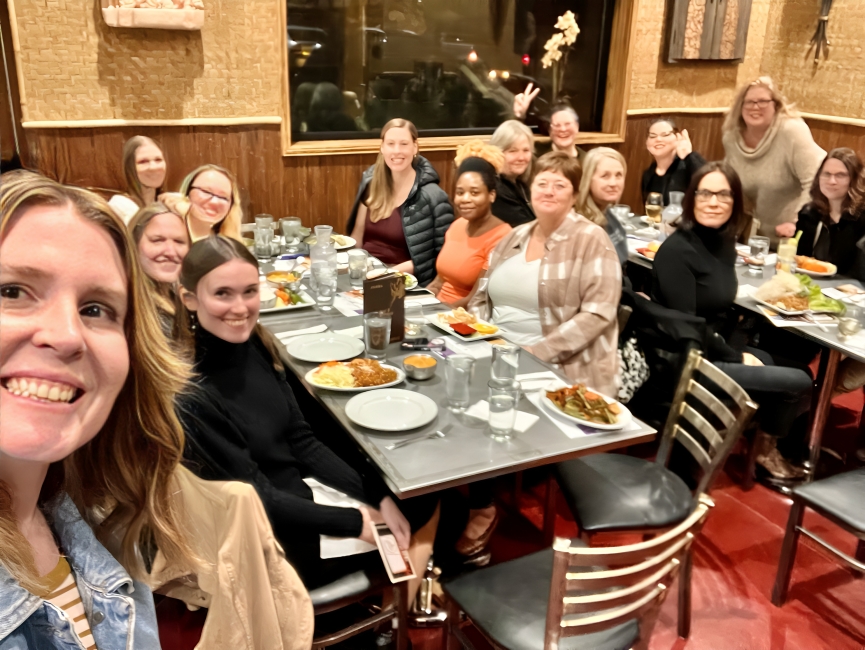
At 100 Women Who Care Emerald Coast, the welcome is simple but deliberate. "We recognize the new members and allow them a 30 second intro to the group," Kelley says. That short moment of being seen goes a long way toward turning a stranger into a regular.
Britt's approach is more layered, but driven by the same instinct. "We are very intentional about creating a warm, inclusive environment," she explains. "New members are personally greeted, introduced, and brought into conversations right away. We rely on our core group of regular members and leadership team to actively connect with new attendees so no one feels overlooked. After an event, we follow up with an email or note to say thanks for joining." Her advice to Giving Circles is that practice distilled: "Keep it personal as you grow. Be intentional about connecting each new member with someone from your leadership or core group so they feel immediately included."
Design Gatherings That Feel Both Structured and Personal
One of the quieter risks of growth is that events can start to feel transactional. Britt has thought carefully about how to keep that from happening.
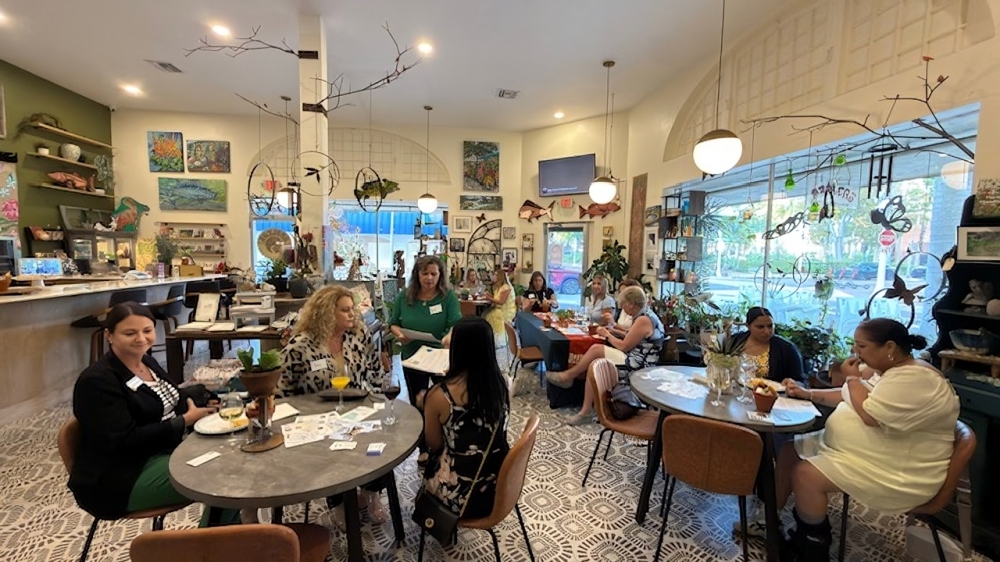
Every SWFL gathering follows a rhythm of welcome, nonprofit spotlight, and giving moment, but always builds in time for conversation. Britt's core members and leadership team move through the room with intention, introducing themselves to new attendees and making sure no one is standing alone. The team is also thoughtful about size and setting, choosing venues that allow for real conversation and, when needed, capping attendance with a friendly nudge: limited size venue, get your spot early. The mission is reinforced at every event so even brand-new attendees understand the shared purpose. And the culture stays low-pressure. New attendees can come to a meeting or two before feeling obligated to join.
The Spokane for Good team has experienced this from the audience side. "It really just takes joining one Gather and Grant event to understand the impact of this group," they told us. "Getting to hear from 3 local non-profits with in-person pitches is incredibly informational, insightful, and motivational." Their group has settled on a focus: nonprofits that are local, person-centered, and impactful. That clarity is what turns a one-time visitor into a long-term member.
Letting Nonprofits and Partners Carry the Story
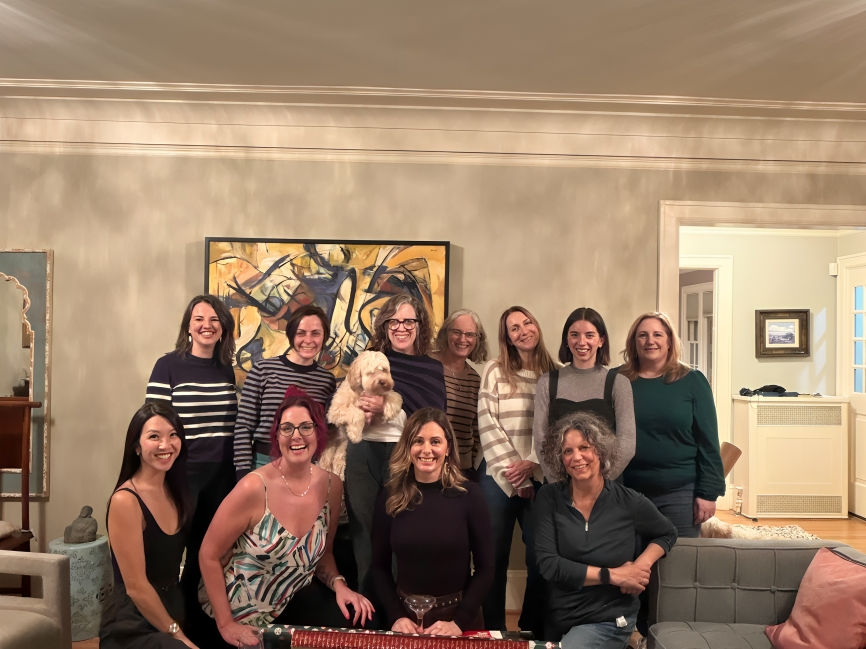
A pattern that came up in nearly every interview is the role nonprofits themselves play in helping Giving Circles grow. Becky in Portland has discovered that the organizations her Giving Circle supports are some of its most enthusiastic ambassadors. PDX often invites previous grant recipients to give a five- to ten-minute update at gatherings, and many feature the Giving Circle in their own newsletters and channels.
Britt has built an even broader ecosystem. "Local nonprofits have played a key role by sharing our group within their networks. We've also built relationships with other community organizations and are exploring collaborations with a local women's entrepreneur group for co-hosted events. Hosting gatherings at locally owned businesses like wine bars and art spaces has also helped expand our reach." Generosity flows both ways. The Giving Circle supports the community, and the community helps the Giving Circle grow.
"The non-profits that we have donated to are oh so willing to promote our mission and work. Sometimes we must ask, but they NEVER say no."
— Becky Kaske- Johnson, co-leader of PDX Women for Good
Making Room for More Than One Way to Belong
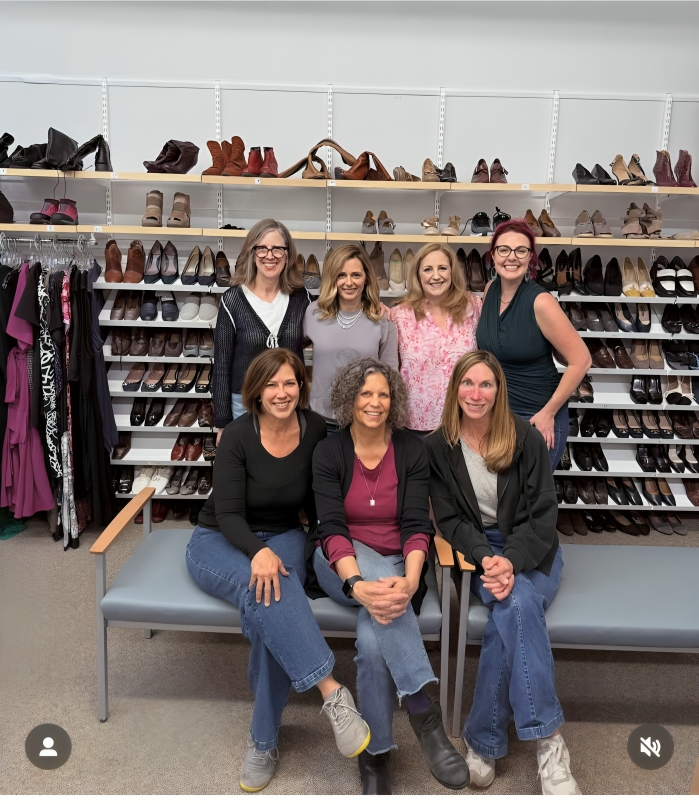
Not every member wants to engage the same way, and the Giving Circles that grow well make space for different kinds of involvement. Becky has noticed a generational pattern: "Younger members love volunteering opportunities and happy hours the most, I'd say." PDX has leaned into that, building repeat volunteer relationships with nonprofits like Dress for Success of Oregon and adopting families through the Christmas Family Adoption Foundation three years running.
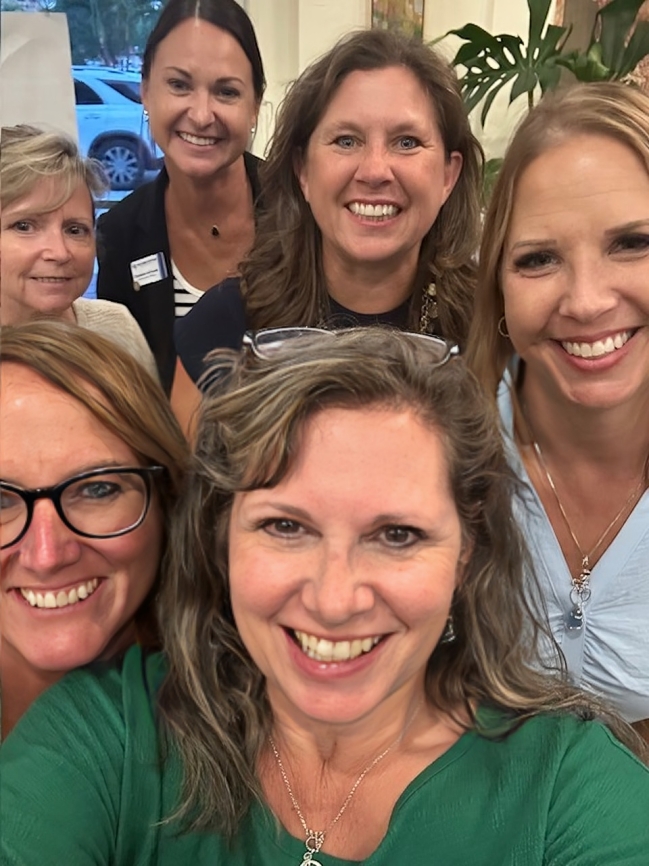
Spokane for Good keeps that variety alive in part through the Grapevine forum, where members share opportunities outside of the group's main events. "If someone is running an event, needs donations, or has any other chance for members to help out, they can share the opportunity with the group," the team explains. "We've been to fundraisers, joined a home build at Habitat for Humanity, and attended all sorts of events." The Giving Circle becomes a hub from which good radiates outward. As Britt puts it, the SWFL model is threefold.
"A Giving Circle, a networking opportunity, and a space to build genuine friendships."
— Britt Knapp, leader of SWFL Women for Good
Defining Success on Your Own Terms
Maybe the most freeing insight is that bigger isn't always better. Becky is refreshingly candid. "We want growth, but we don't stress out so much when it doesn't happen quickly. Our retention for donating members is incredibly high which means we are satisfying our member community."
The Spokane for Good team feels similarly. "We absolutely lean more towards maintaining the existing culture as opposed to growing more quickly," they shared. The point of crossing 50 isn't to race toward 500. It's to grow in a way that deepens impact and protects what made the group worth joining.
"We are proud to be an organization that is not 'huge' because people feel a connection and can make a meaningful impact."
— Becky Kaske- Johnson, co-leader of PDX Women for Good
What These Leaders Want You to Know
If your Giving Circle is approaching or just past 50 members, the advice from these leaders is consistent: stay personal, stay consistent, and find someone genuinely energized to focus on engagement. As the Spokane team puts it, "Perhaps there's someone in the group who has the margin, gifts and enthusiasm to take the lead. A small amount of organization and energy can go a long way in mobilizing others."
The Giving Circles that thrive past 50 aren't chasing numbers. They're working, like SWFL Women for Good, to become "a consistent, trusted force for good," one welcoming meeting and one personal invitation at a time.

Subscription Needed
Already have an account? Sign in