


How to Deepen Engagement with Giving Circles Through Volunteerism
This article was written by Civic Champs, a volunteer management platform helping nonprofits build meaningful volunteer experiences.
Giving Circles are powerful engines for community change. They bring people together around shared values, creating a shared experience where people pool their resources, learn about community needs, and decide together how to support the causes they care about. For nonprofits, the value of a Giving Circle goes far beyond pooled donations. These groups offer a network of people who want to connect, learn, and participate in meaningful work.
Volunteerism is one of the most effective ways to build that connection. When Giving Circle members serve with a nonprofit, they shift from donors to partners. They see the organization’s impact firsthand and develop deeper relationships with staff and community members. Research from the Johnson Center for Philanthropy shows that 60% of Giving Circle members report increased volunteer time, and two-thirds go on to make additional non-monetary contributions to the nonprofits they support. This experience often becomes the foundation for long-term support.
This guide outlines how nonprofits can welcome more volunteers from Giving Circles and how a thoughtful engagement strategy can strengthen these relationships over time.
Why Volunteerism Strengthens Giving Circle Partnerships
Giving Circles rely on shared values and collective decision making. Volunteer activities fit naturally with this process because they give members direct experience with the mission they are supporting. When people move beyond giving dollars and engage directly with an organization’s work, it strengthens the partnership in meaningful and lasting ways.
Firsthand understanding of impact
Volunteering allows Giving Circle members to see a nonprofit’s programs in action. They gain insight into how services are delivered, who is being served, and where support is most needed.
This firsthand experience brings the mission to life and helps members understand how their financial contributions translate into real outcomes in the community, deepening trust and understanding.
Closer relationships
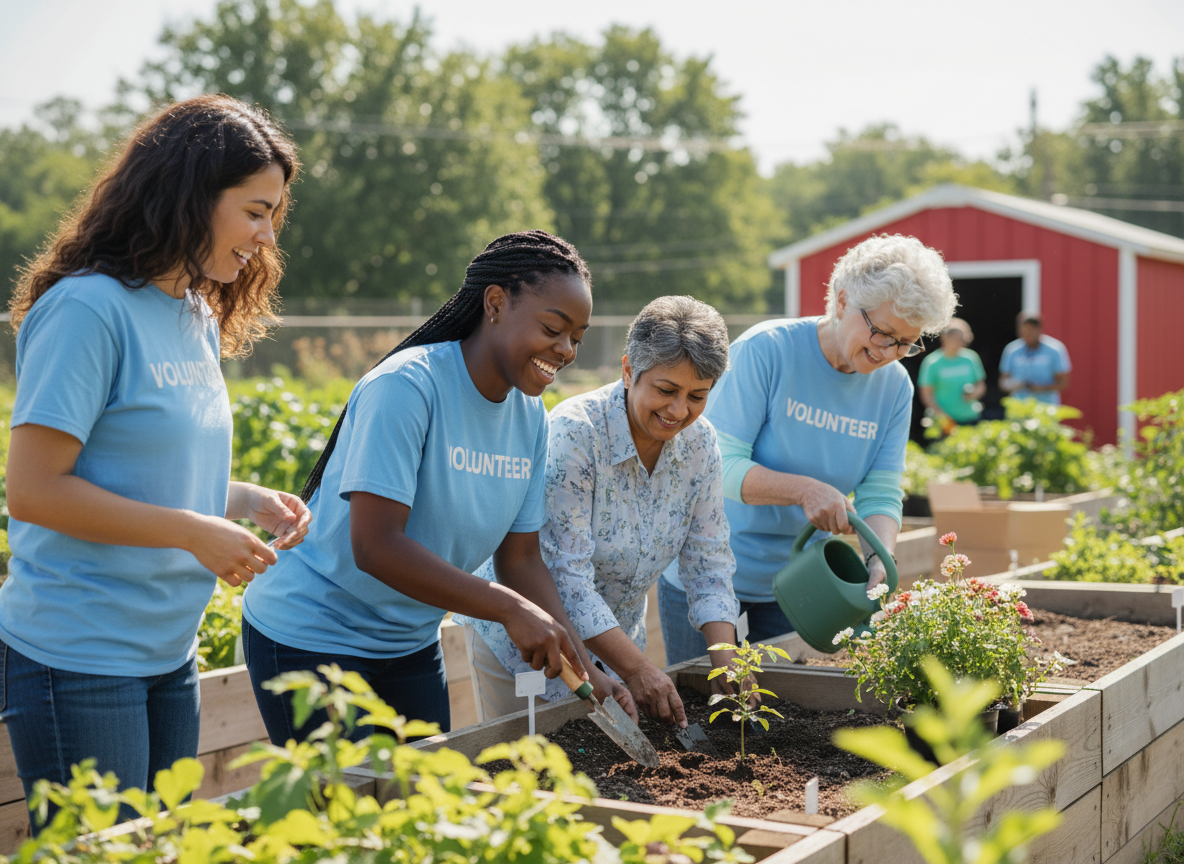
Working side by side helps Giving Circle members and nonprofit staff build genuine connections. These shared experiences build trust, break down barriers, and foster mutual respect. For nonprofits, this can turn supporters into true partners who feel personally invested in the organization’s success.
More informed grantmaking
Members who have volunteered can speak more confidently about the organization during funding discussions, sharing insight into its impact, programs, and operational needs. This helps the group make more thoughtful and informed funding decisions.
Stronger long-term engagement
A meaningful volunteer experience often leads to recurring gifts, peer advocacy, and sustained involvement. This kind of engagement strengthens long-term relationships and expands the nonprofit’s community of advocates.
Ways Nonprofits Can Engage Giving Circles Through Volunteering
Giving Circles vary in size, format, interests, schedules, and availability. Offering a mix of volunteer options increases participation and helps members find roles that fit their lives.
Host a dedicated volunteer day
A volunteer event created specifically for the Giving Circle helps members feel welcomed. It also gives them a chance to connect with your mission and with each other.
Integrate volunteering into their grant cycle
If the Giving Circle makes decisions at set intervals, consider offering a volunteer opportunity between grant cycles or during their nomination phase. This allows members to experience the nonprofit’s work firsthand before the next round of funding decisions and creates natural opportunities for them to share insights, stories, and observations with the group.
Offer flexible and short-term roles
Many members balance multiple personal and professional responsibilities. Simple tasks such as assembling kits, sorting supplies, or helping with short shifts make participation more manageable.
Provide skills-based opportunities
Members often have valuable expertise in marketing, finance, design, or strategic planning. Skills-based roles allow them to contribute in ways that support your operations and programs, especially in areas where nonprofits may not have dedicated staff or internal capacity. This approach is especially effective for virtual or geographically dispersed Giving Circles where in-person volunteering may be limited.
Use reflection prompts after events
Questions like “What stood out today” or “What did you learn” help members process the experience. These reflections also prepare them to share their insights with the wider Giving Circle.
How Volunteer Management Tools Strengthen Engagement
A strong volunteer program should feel organized, welcoming, and purposeful. Thoughtful volunteer management tools help nonprofits deliver this experience while collecting the information they need for stewardship and reporting.
Here are several ways these tools support partnerships with Giving Circles.
Simple sign ups and communication
Clear registration links and automated reminders help members follow through. Centralized communication keeps expectations clear and prevents confusion.
Accurate attendance and hour tracking
Reliable data allows nonprofits to show Giving Circle members how they contributed. This is helpful when preparing thank you messages and future grant materials.
Mobile access for busy volunteers
Members can check in, sign waivers, and receive updates from their phones. This makes participation easier and more convenient.
Post event surveys and reflections
Gathering feedback right after an event provides stories, quotes, and insights. These can be shared with the Giving Circle or included in impact reports.
Supporter profiles and relationship tracking
Platforms like Civic Champs make it easier to track volunteer participation and stay connected with members over time. When information is easy to collect and review, long-term relationship building becomes more intentional.
Tips for Partnering with Giving Circles in the New Year
The start of a new year is a natural moment for Giving Circles to set goals. This creates an opportunity for nonprofits to invite deeper engagement.
Send a personalized invitation
Reach out to Giving Circle leaders with a few volunteer ideas that match the group’s interests, reducing friction and creating momentum for the volunteering to happen.
Create an annual engagement plan
Provide a simple roadmap that includes volunteer days, learning sessions, and program updates. This helps Giving Circles anticipate opportunities to engage, plan ahead, and stay connected to your organization over time.
Ask what they value most
Some Giving Circles prefer hands-on work. Others may want skills-based or project-based roles. Let their preferences shape the experience.
Share stories from past volunteers
Stories help potential volunteers imagine their own involvement. Highlight examples from previous years or from other partner groups.
Where Giving Meets Action
Nonprofits and Giving Circles share a common purpose. Both seek to strengthen their communities through collective effort. Volunteerism brings this purpose to life by giving members a direct and meaningful role in your mission beyond financial support alone. When nonprofits create organized and welcoming opportunities, Giving Circle members build deeper relationships with your work and understand their impact more clearly.
With the support of modern volunteer management tools, these experiences become easier to coordinate and more effective. They create opportunities for reflection, shared stories, and ongoing collaboration. This leads to more informed giving and stronger, long-term partnerships.
Subscription Needed
Already have an account? Sign in