


Building the Next Generation of Givers
Inside a Student-Led Giving Circle at Grand Valley State University
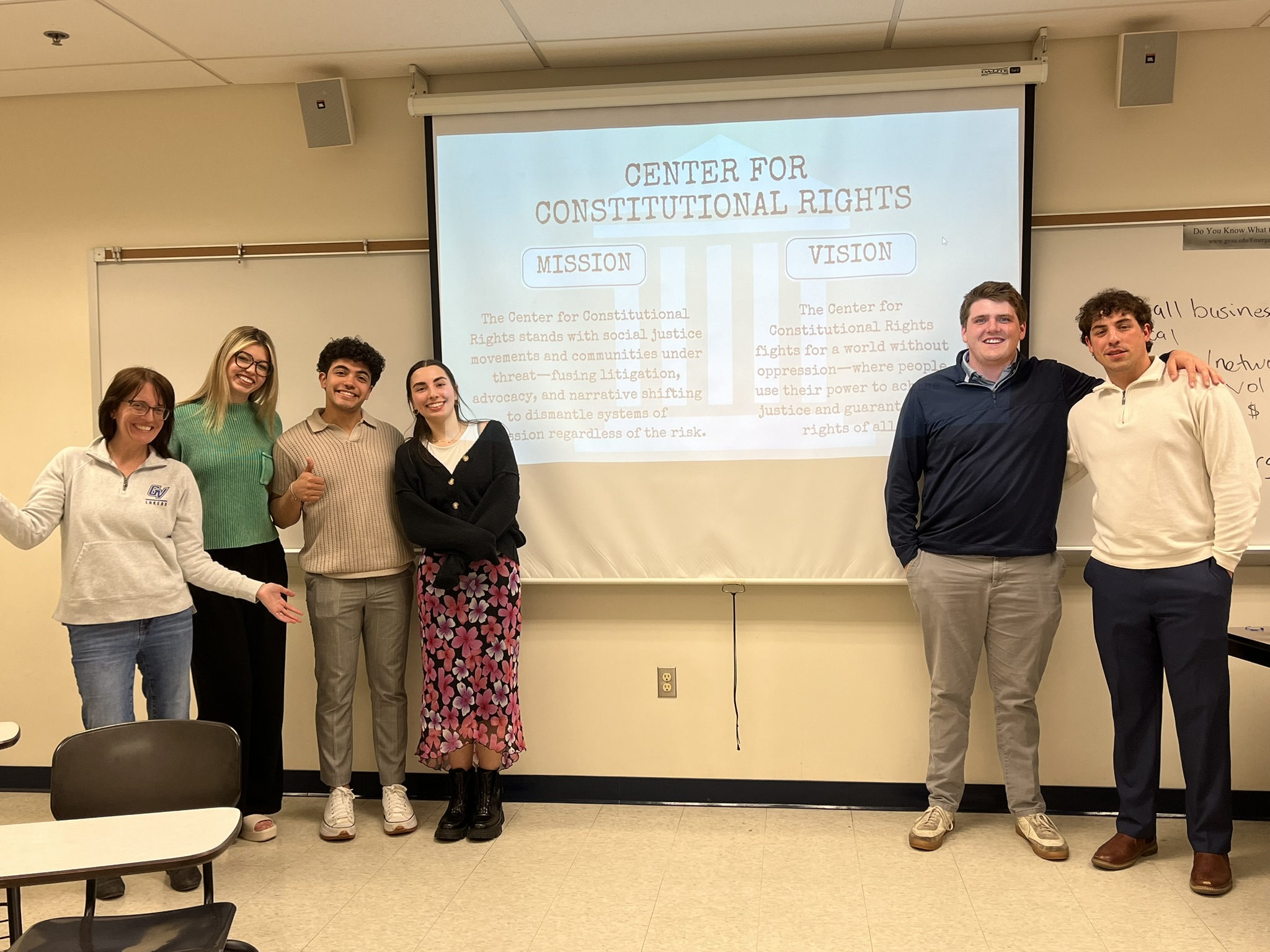
What happens when you give students the power to pool their resources, choose causes they care about, and make real financial decisions? At Grand Valley State University (GVSU), the result is joy, community, and a deeper connection to giving.
Mandy Sharp Eizinger, an educator at GVSU and team member at the Johnson Center for Philanthropy, is helping lead the next generation into a new era of collective giving—one that’s grassroots, accessible, and powered by platforms like Grapevine.
From UNICEF Coins to Giving Circles
Mandy’s passion for collaborative giving started early. She recalls being inspired by campaigns like Trick-or-Treat for UNICEF, where children pooled coins for global impact. Later, in graduate school, she discovered collective giving as a research-backed and culturally rooted model. That’s when it clicked: when combined, small contributions could drive big change.
After years at an international nonprofit, Mandy joined the Johnson Center for Philanthropy, where she saw collective giving models embedded in global traditions—from informal support networks to formal structures with deep cultural roots. Tools like Grapevine and Philanthropy Together made this model more accessible, organized, and transparent than ever before.
So, when the opportunity arose to teach at GVSU, Mandy knew exactly what she wanted to include in her course: a student-led Giving Circle.
Giving Circles in the Classroom
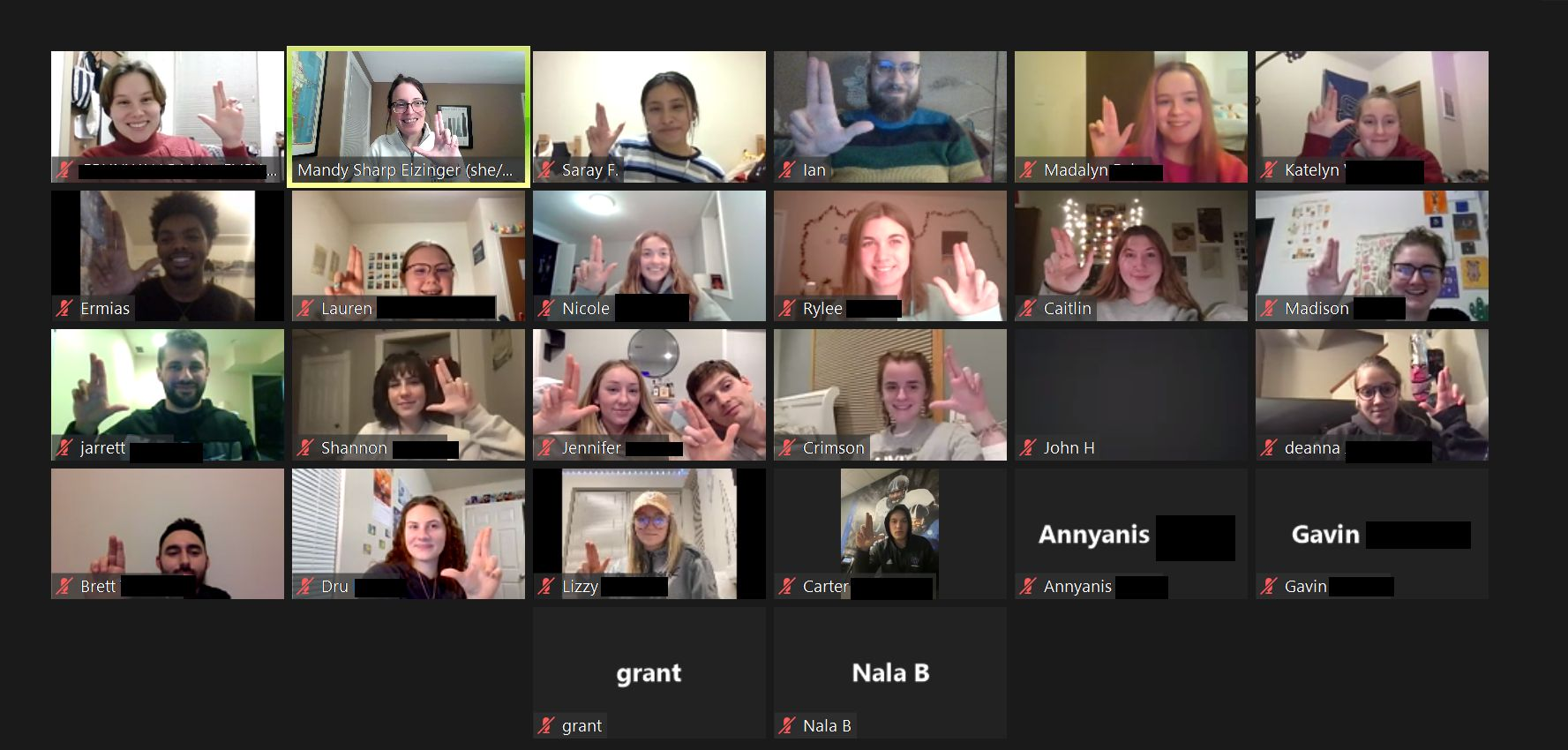
Mandy’s course, Volunteerism and the Nonprofit Sector, is built from the ground up to reflect real-world engagement practices. Her students, many of whom work multiple jobs or balance caregiving responsibilities, meet in the evenings from 6–9 p.m.—often in the cold of Michigan winters. To create warmth and connection, Mandy brings snacks and a tea kettle. Then she introduces the Giving Circle.
“It’s the highlight of the semester,” Mandy says. “It embodies the Five T’s of giving: Time, Talent, Treasure, Ties, and Testimony.”
Here’s how it works:
- Students voluntarily contribute any amount they choose (typically $10–13) through Grapevine.
- Mandy and her husband anonymously match donations on Grapevine, up to $200.
- Students form groups based on causes that matter to them—like youth development or housing justice.
- They research nonprofits, prepare a midterm analysis, and pitch one for funding.
- In the final week, students vote—using Grapevine—to decide which nonprofits receive funding.
“Early in the semester, I typically share that an anonymous donor will match the funds raised,” Mandy says. “The students are usually quick to figure out who it is! My spouse and I commit to the not-so-anonymous match amount in our household budget to model that same trust and mutuality of the classroom experience—and to be part of the celebration.”
And yes—celebration is part of the experience. The pooled funds have met the match each year, and each class has had more than $400 to distribute.
“You could feel the energy shift from the start to the end of class,” Mandy reflects.
“I didn’t expect to build a community from something so simple. The feeling of giving together and deciding together stuck with me.”
Landon, student at GVSU
Over the last three years, each cohort of students distributed funds to organizations like Treetops Collective, Habitat for Humanity of Kent County, YWCA of West Central Michigan, and, most recently, the Center for Constitutional Rights and Capital Area Housing Partnership.
In response to the 2025 donation, the Executive Director of Capital Area Housing Partnership, Emma Henry, wrote, “Thank you so much for supporting our organization. Students like you will make a difference by supporting healthy, diverse communities. We appreciate you!”
The YWCA of West Central Michigan responded similarly in 2024.
“Your donation through your Giving Circle event celebrates women and directly helps the survivors we serve daily. From what we understand, you chose the YWCA as the organization to give through your group project on nonprofit organizations. We are humbled by your decision to choose us.”
Charisse Mitchell, CEO of YWCA of West Central Michigan
In appreciation, the YWCA invited students who advocated for the organization to the Arise spring luncheon. There, students Madelyn, Rachel, and Chassidy were able to participate in even broader collective action and hear the powerful testimony of organizational leadership and a survivor of gender-based violence.
“It brought everything full circle,” Mandy said.
Building a Giving Circle Curriculum
Behind the scenes, Mandy designed the course to be student-led and grounded in current community engagement practices. She introduces the concept of the Giving Circle on the very first day—letting students know it’s completely voluntary and has no impact on grades. This gives them space to plan and opt in without pressure.
The class creates a shared values scorecard to guide nonprofit selection, choosing principles like respect, truth, and compassion. After each pitch, students reflect on how well each organization aligns with their values before voting.
“It’s not just about donating. It’s about practicing reflection, transparency, and group trust,” Mandy says.
Students consistently meet the match goal, even while juggling work, family, and academic responsibilities.
What Makes It Work: Leadership, Flexibility, and Trust
This Giving Circle isn’t just a class project—it’s a vehicle for student empowerment and real-world learning. By giving students ownership of the process, Mandy fosters:
- Civic leadership
- Collaborative problem-solving
- Financial agency and literacy
- Deep community awareness
It’s also a model that reflects the broader shift toward trust-based philanthropy. By trusting students to lead the research, advocacy, and decision-making, the class mirrors values of equity and shared power that are reshaping the sector.
Importantly, contributions are always optional—students can fully participate and vote even if they don’t donate. In fact, many choose to expand the circle by inviting roommates, coworkers, or family members to join. In one class, participation grew to 29 members, including 16 donors. Thanks to a setting Mandy enabled on Grapevine, financial contributions aren’t a barrier—ensuring everyone has a meaningful role in the decision-making process.
“That way, students can meaningfully participate even if they’re strapped financially," Mandy says. "It’s about showing up with whatever you can offer.”
This flexibility ensures everyone has a voice—regardless of their financial capacity—and it deepens engagement across the board. When students feel trusted and supported, they show up, lead, and create meaningful impact.
The Role of Grapevine
Grapevine plays a key role in making this classroom Giving Circle experience simple, transparent, and impactful. The platform enables students to:
- Nominate nonprofits using just a name or EIN
- Contribute and vote digitally in a secure, streamlined process
- Have donations processed and distributed directly to the chosen nonprofits
- Track outcomes in real time and celebrate results together
This removes the logistical burden from students and faculty alike, allowing them to focus on what matters most—community, learning, and impact.
She recently learned that Grapevine can now be used globally through a partnership with GlobalGiving—making it an even more powerful tool for classrooms, companies, and communities.
Real Impact Beyond the Classroom
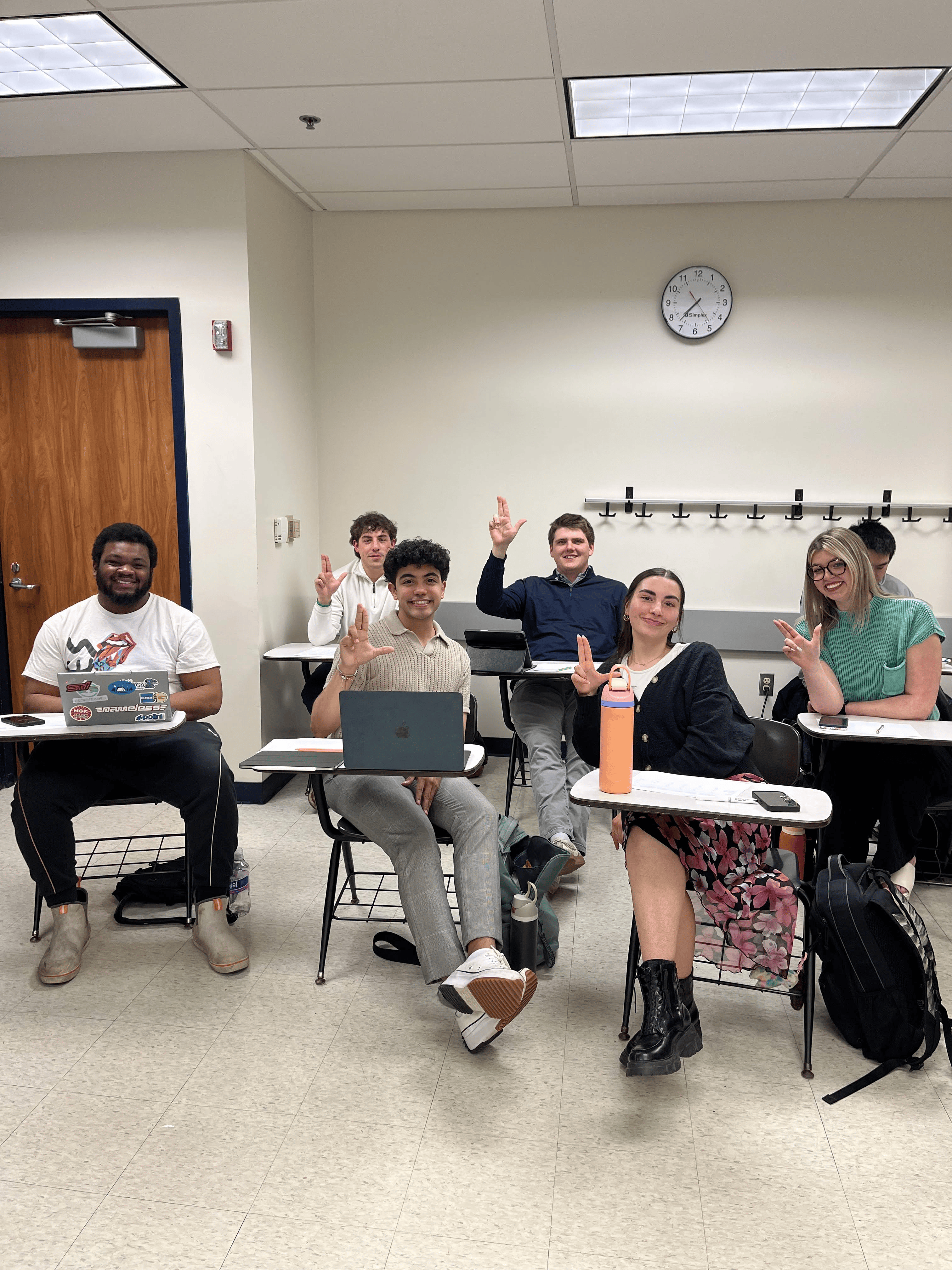
While the class ends each semester, the Giving Circle’s impact doesn’t. Many students stay connected to the nonprofits they discovered and supported—volunteering, donating again, or attending events long after the course ends.
The true power of this model lies in what students carry forward.
“I always thought philanthropy was for wealthy people. This class helped me see that my voice and my $10 matter when we're doing it together.”
“This is a great way to gather with individuals who have and want to give. I didn’t expect to build a community from something so simple.”
"I really loved participating in the giving circle, and it made me want to start one with my cousins because we are all getting older and need new excuses to go and see each other as our lives become busier. It made me feel like I could really impact my community without feeling alone and powerless."
"I would tell anyone who wants to engage that they should! It is a wonderful experience. Give $5-$10 because young people are not going to have much money to share towards charity, and if you have a big group, it will add up anyway!"
Advice for Other Educators
Mandy encourages other educators to try this model, especially as a way to re-engage students post-pandemic and bring real-world impact into the classroom.
Her advice:
- Use the free tools available from Grapevine, Philanthropy Together, and the Johnson Center.
- Let students lead: their ownership creates investment.
- Keep contributions voluntary.
- Celebrate transparency, reflection, and trust.
- Navigating institutional processes can take time, but Mandy’s department was supportive and saw the value right away.
“It’s not just a teaching tool—it’s a way to help students see themselves as changemakers,” she says.
A Simple, Scalable Model for a More Connected Future
In a world where many young people feel disconnected from institutions or overwhelmed by the scale of global challenges, Giving Circles offer something different: agency, connection, and joy.
It’s not about how much each student can give—it’s about showing them they can give, together. That their voice matters. That philanthropy doesn’t have to be top-down or reserved for the wealthy. It can be participatory, inclusive, and empowering.
And thanks to tools like Grapevine, that experience is simple, accessible, and just a few clicks away.
Today’s students are ready—not just to give—but to do it collaboratively. They want to lead with empathy, make decisions with intention, and build real community.
“Not everyone can give what they feel is a ‘meaningful’ amount,” Mandy says. “But their time, talents, and voices matter. It is about combining all our resources.”
This isn’t just the next generation of givers.
It’s the now generation—ready to show up, pool their power, and shape a more connected, inclusive future.
Interested in starting a student-led Giving Circle at your school or university?
Visit grapevine.org to learn more, or contact our team to get support.
Let’s grow the next generation of givers—together.
Subscription Needed
Already have an account? Sign in